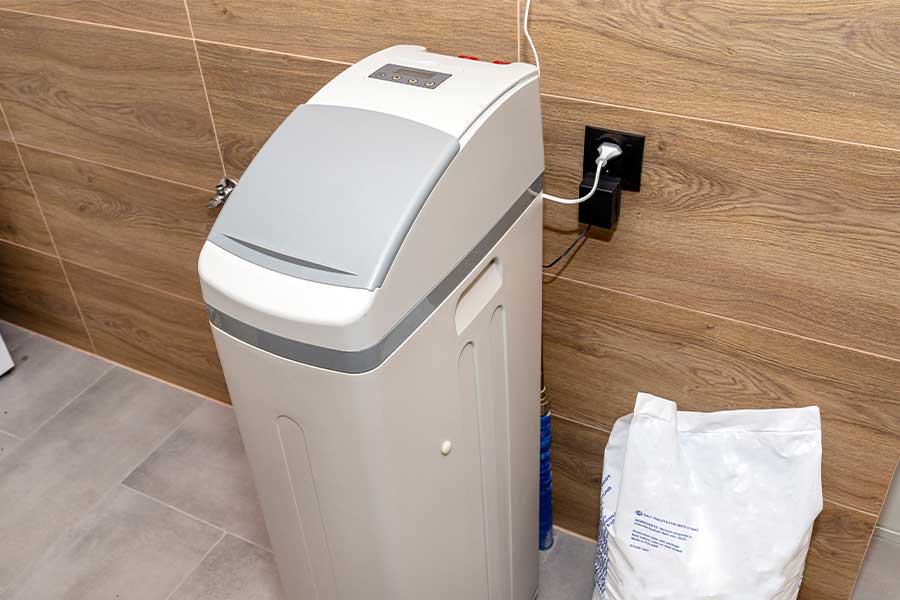
Water Softener Sales Richardson TX - Quality Systems for Richardson Homes
Mike Chen stood in his garage last Saturday morning, staring at three different water softener boxes he’d bought and returned over the past month. The first one was too small for his family’s needs, the second one didn’t fit in his available space, and the third one required electrical work he wasn’t comfortable doing himself.
“I’ve spent more time driving to Home Depot than I have actually working on this project,” he told me when I arrived at his house near Spring Valley Road for a consultation. “And I’m not any closer to having soft water than I was a month ago.”
That’s the problem with buying water softeners without proper guidance. There are dozens of models available, each with different features, capacities, and installation requirements. Without understanding your specific needs and water conditions, it’s easy to choose the wrong system.
Two hours later, Mike had a properly sized, professionally installed water softener that was perfectly matched to his family’s needs and his home’s plumbing. No more trips to the store, no more guessing about compatibility, and most importantly, no more hard water problems.
Our Services
Contact Us
What Your Neighbors Are Saying About Us
Understanding Your Water Softener Options
The water softener market offers everything from basic mechanical units to sophisticated electronic systems with smartphone connectivity. Understanding the differences helps you choose a system that provides the best value for your specific situation.
Salt-based water softeners are the most effective option for Richardson’s very hard water. These systems use ion exchange technology to remove calcium and magnesium completely, providing consistently soft water throughout your home.
Salt-free water conditioners are sometimes marketed as water softeners, but they work differently and don’t actually remove hardness minerals. These systems can reduce scale buildup in some situations, but they won’t provide the benefits most people associate with soft water.
Electronic descalers use electromagnetic fields to change the structure of hardness minerals, potentially reducing their tendency to form scale. However, these systems don’t remove minerals from the water and their effectiveness varies significantly depending on water chemistry and plumbing conditions.
For Richardson’s 14-16 grain water hardness, traditional salt-based systems provide the most reliable and effective results. We’ve tested various alternatives over the years, and nothing matches the performance of properly designed ion exchange systems.
Sizing and Capacity Considerations
Choosing the right size water softener is one of the most important decisions you’ll make. A system that’s too small will regenerate constantly, wasting salt and water while failing to provide consistent soft water. A system that’s too large wastes money upfront and may not operate efficiently.
Proper sizing requires understanding your daily water usage, peak demand periods, and specific hardness levels. Richardson families typically use 200-400 gallons of water per day, depending on family size and lifestyle factors.
The Peterson family near Duck Creek made the mistake of buying a water softener based solely on family size. The store recommended a 32,000-grain system for their family of four, but they have teenagers who take long showers and they run multiple loads of laundry daily. The system couldn’t keep up with their peak demand.
We replaced their undersized system with a 48,000-grain unit that matches their actual usage patterns. Now they have consistent soft water even during busy weekend mornings when everyone’s getting ready at once.
Our sizing process includes hard water testing to determine exact hardness levels, water usage analysis based on your family’s habits, and peak demand calculations to ensure adequate capacity during high-usage periods.

Brand Comparisons and Quality Differences
Not all water softeners are created equal. The quality of components, especially the control valve and resin tank, makes a huge difference in performance and longevity. We work with manufacturers that provide reliable equipment backed by solid warranties.
Fleck control valves are industry standards known for reliability and ease of service. These valves are used by many manufacturers and have proven track records in Richardson’s hard water conditions. Parts are readily available, and most plumbing professionals are familiar with their operation.
Pentair systems offer advanced features like demand-initiated regeneration and smart controls that optimize salt and water usage. These systems provide excellent performance and efficiency, especially for families concerned about environmental impact.
Culligan and Kinetico are well-known brands that offer both basic and premium models. Their systems typically include good warranty coverage and local service support, which can be valuable for homeowners who prefer not to handle their own maintenance.
Generic or store-brand systems often use lower-quality components that may not hold up well in Richardson’s demanding water conditions. While these systems cost less upfront, they often require more frequent repairs and have shorter lifespans.
Features and Technology Options
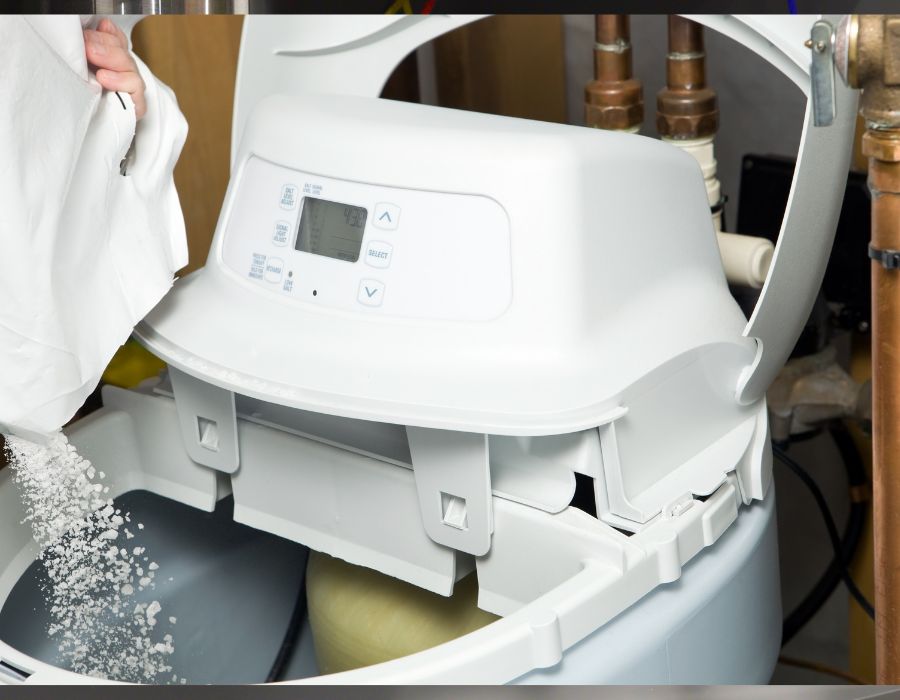
Modern water softeners offer features that make them more efficient, convenient, and user-friendly than older mechanical systems. Understanding these features helps you choose a system that fits your preferences and lifestyle. Digital controls provide precise programming and monitoring capabilities. You can set regeneration schedules, monitor salt levels, and track water usage patterns. Some systems even provide diagnostic information that helps identify problems before they cause system failures.
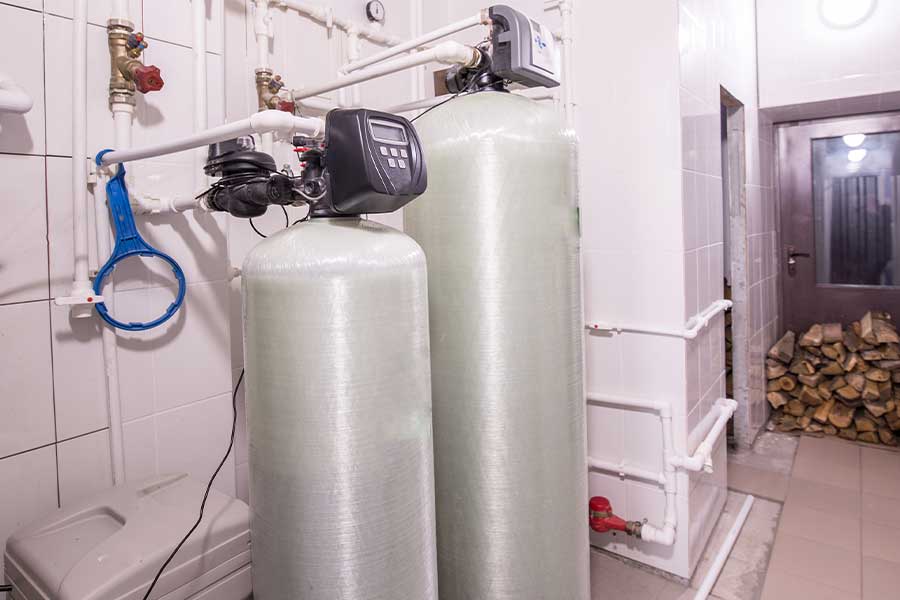
Demand-initiated regeneration monitors actual water usage and regenerates only when necessary. This feature can reduce salt usage by 30-50% compared to systems that regenerate on fixed schedules, regardless of actual water consumption. Twin-tank systems ensure you always have soft water available, even during regeneration cycles. One tank provides soft water while the other regenerates, eliminating the brief period of hard water that occurs with single-tank systems. High-efficiency resin uses advanced materials that remove more hardness per regeneration cycle. This technology reduces salt and water consumption while maintaining excellent water quality.
Sizing and Capacity Considerations
Water softener installation involves more than just connecting the unit to your water line. Proper installation requires understanding your home’s plumbing, electrical needs, and local code requirements.
Most Richardson homes need the water softener installed after the water meter but before the water heater. This ensures that all water entering your home is softened, which protects your water heater and other appliances from mineral buildup.
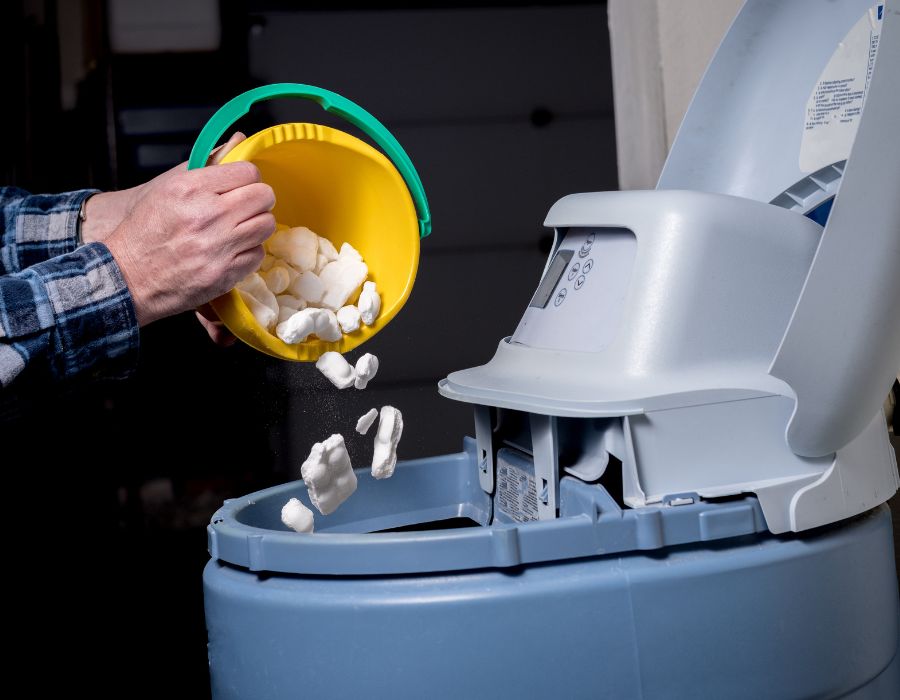
The installation location needs access to electrical power (standard 115V outlet), a drain for regeneration wastewater, and enough space for salt loading and maintenance access. Garage installations are common in Richardson because they provide easy access while keeping the system out of living areas.
Some homes require additional plumbing work to accommodate water softener installation. One of our customers had an older home where the main water line entered directly into the water heater, requiring us to reroute plumbing to install the softener in the correct location.
Electrical requirements vary by system type. Basic mechanical systems may not need electricity, while electronic systems require standard household current. Some systems also need drain connections that may require additional plumbing work.
Financing and Payment Options
Quality water softener systems represent a significant investment, but various financing options make them accessible to most Richardson homeowners. Understanding your payment options helps you choose the best approach for your budget.
Cash purchases often receive discounts and eliminate ongoing payment obligations. For many families, the monthly savings on soap, detergent, and energy costs offset the upfront investment within 2-3 years.
Financing options include traditional installment loans, lease-to-own programs, and rent-to-own arrangements. Each option has different advantages depending on your financial situation and preferences.
Some utility companies and municipal programs offer rebates or incentives for water softener installation, especially for high-efficiency systems that reduce wastewater discharge. We help customers identify and apply for available incentive programs.
Warranty Coverage and Service Support
Water softener warranties vary significantly between manufacturers and dealers. Understanding warranty coverage helps protect your investment and ensures long-term satisfaction with your system.
Manufacturer warranties typically cover defects in materials and workmanship for specific time periods. Premium systems often include longer warranty coverage and may include parts and labor for certain components.
Installation warranties cover the quality of installation work and should include protection against leaks, incorrect connections, and programming errors. Professional installation companies stand behind their work with comprehensive installation warranties.
Extended warranty options provide additional protection beyond manufacturer coverage. These programs often include regular water softener maintenance and priority service for repairs.
Local service support is important because water softeners occasionally need maintenance or repairs. Working with companies that provide local service ensures quick response times and knowledgeable technicians familiar with your system.
Trade-In and Upgrade Programs
If you already have a water softener that’s not working properly or doesn’t meet your current needs, trade-in programs can help reduce the cost of upgrading to a better system.
We evaluate existing systems to determine their trade-in value and identify problems that might be causing performance issues. Sometimes water softener repair is more cost-effective than replacement, especially for newer systems with quality components.
One family had a ten-year-old system that was only working at about 60% efficiency. Rather than spending money on major repairs, they chose to upgrade to a new high-efficiency system and received credit for their old unit.
Trade-in programs also ensure proper disposal of old equipment. Water softeners contain materials that should be recycled rather than thrown away, and professional disposal prevents environmental problems.
Comparing Purchase vs Rental Options
Some companies offer water softener rental programs as an alternative to purchasing. Understanding the pros and cons of rental vs purchase helps you make the best financial decision for your situation.
Rental programs typically include equipment, installation, maintenance, and repairs for a monthly fee. This approach provides predictable costs and eliminates worries about maintenance and repairs.
However, rental costs add up quickly over time. A typical rental program costs $40-60 per month, which equals $4,800-7,200 over ten years – often more than the cost of purchasing a quality system outright.
Purchase options provide better long-term value for most families. Once the system is paid for, your only ongoing costs are salt and occasional maintenance. A quality system can provide 15-20 years of service with proper care.
We calculated for one of our customers that purchasing their system would save them over $3,000 compared to renting over the system’s expected lifespan. They chose to purchase and have been happy with their decision for five years.
Water Softener Selection Process
Our water softener selection process ensures you get the right system for your specific needs and budget. We don’t use high-pressure sales tactics or try to sell you the most expensive option available.
The process starts with water quality analysis to understand your exact water conditions. Richardson’s water hardness can vary between neighborhoods, and knowing your specific levels is essential for proper system sizing.
We analyze your water usage patterns based on family size, lifestyle factors, and home characteristics. A family with teenagers has different usage patterns than empty nesters, even if they live in similar homes.
Budget considerations include not just the initial purchase price but also ongoing operating costs, maintenance requirements, and expected lifespan. We help you understand the total cost of ownership for different system options.
Professional Installation vs DIY
While some homeowners consider installing water softeners themselves, professional installation ensures proper operation, warranty coverage, and optimal performance. DIY installations often result in problems that cost more to fix than professional installation would have cost originally.
Professional installation includes proper sizing verification, correct plumbing connections, electrical work when needed, system programming and testing, and training on operation and maintenance.
We’ve seen numerous DIY installations that created problems ranging from leaks and water damage to poor water quality and premature system failure. Professional installation prevents these problems and ensures your system works properly from day one.
Ongoing Support and Service
Purchasing a water softener is just the beginning of your relationship with soft water. Ongoing support ensures your system continues to provide excellent performance throughout its lifespan.
We provide comprehensive training on system operation, maintenance schedules, and troubleshooting common issues. Most water softener problems can be prevented with proper maintenance and early problem recognition.
Our service department handles everything from routine maintenance to emergency repairs. We stock common replacement parts and can usually resolve problems quickly without extended downtime.
Regular service visits help optimize system performance and extend equipment life. We adjust settings based on seasonal water quality changes and family usage pattern modifications.
If you’re ready to solve your hard water problems with a quality water softener system, give us a call. We’ll test your water, explain your options, and help you choose the perfect system for your Richardson home and budget.