Slab Leak Repair Richardson TX - Expert Detection and Repair Services
David couldn’t figure out why his water bill had doubled over the past three months. His usage habits hadn’t changed, there were no visible leaks anywhere in his Canyon Creek home, and his water meter kept running even when no one was using water.
“I’ve checked every faucet, toilet, and fixture I can think of,” he told me during our consultation at his house near Arapaho Road. “The water company insists there’s a leak somewhere, but I can’t find it.”
Using electronic leak detection equipment, we located the problem within an hour – a pinhole leak in the copper pipe running under his concrete slab foundation. The leak had been slowly saturating the soil beneath his foundation for months, wasting thousands of gallons of water.
That’s the insidious nature of slab leaks. They can run for months or even years before homeowners realize they have a problem, causing extensive damage and wasting enormous amounts of water.
Our Services
- Appliance Hook-up
- Burst Pipe Repair
- Clogged Drain Repair
- Drain Cleaning
- Drain Snaking
- Emergency Plumbing Repair
- Faucet Repair & Installation
- Fixture Replacement
- Frozen Pipe Repair
- Garbage Disposal Installation & Replacement
- Gas Line Installation
- Home Repiping
- Hose Bib Replacement & Repair
- Hydro Jetting
- Hydrostatic Pressure Testing
- Laundry Room Plumbing
- Low Water Pressure Repair
- Water Line Repair
- Water Line Replacement
- Rooter Services
- Sewer Camera Inspection
- Sewer Line Pressure Testing
- Sink Installation
- Slab Leak Repair
- Tankless Water Heater Installation & Repair
- Toilet Repair & Installation
- Water Filtration Installation
- Water Heater Repair
- Water Heater Replacement & Installation
- Water Leak Detection & Repair
- Water Softener Installation
Contact Us
What Your Neighbors Are Saying About Us
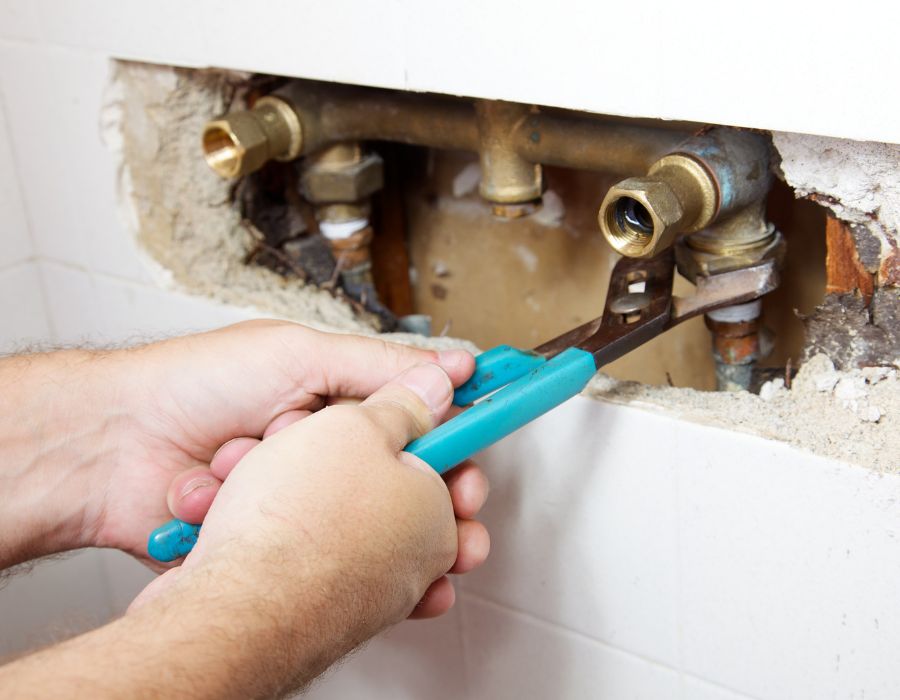
Understanding Slab Leaks in Richardson Homes
Slab leaks occur when water or sewer pipes running beneath your concrete foundation develop leaks. These pipes are embedded in or run directly under the concrete slab, making them difficult to access and repair without specialized techniques.
Richardson’s unique soil conditions make slab leaks particularly problematic. Our expansive clay soil shifts dramatically with moisture changes, putting constant stress on underground pipes. During wet periods, the soil expands and can crush pipes. During dry periods, soil contraction leaves pipes unsupported, causing them to sag and crack.
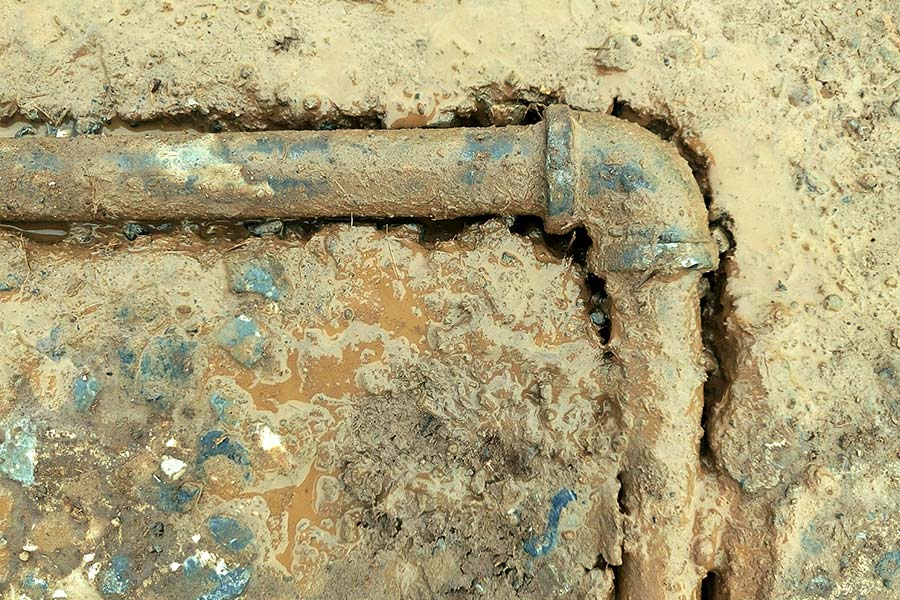
Many Richardson homes built in the 1960s through 1980s have copper pipes running under the slab. While copper is generally durable, it can develop pinhole leaks over time due to water chemistry, electrical grounding issues, or soil conditions.
The Martinez family from Duck Creek discovered their slab leak when they noticed warm spots on their tile floor. The hot water line under their kitchen had been leaking for over a year, creating enough heat transfer to warm the concrete above it.
Signs and Symptoms of Slab Leaks
Recognizing the early warning signs of slab leaks can save you thousands of dollars in water bills and foundation damage. Many symptoms are subtle and easy to dismiss as minor issues.
Unexplained increases in water bills are often the first sign homeowners notice. If your water usage hasn’t changed but your bills have increased significantly, you may have a hidden leak. Even small slab leaks can waste hundreds of gallons per day.
Hot spots on floors indicate hot water line leaks beneath the slab. These areas may feel warm to the touch or cause tile and hardwood to expand or cup. Some homeowners initially think these spots are nice until they realize what’s causing them.
Sound of running water when no fixtures are in use suggests an active leak somewhere in your system. You might hear water running in walls or under floors, especially at night when background noise is minimal.
Foundation movement or cracking can result from soil saturation caused by long-term slab leaks. As water saturates the soil beneath your foundation, it can cause settling, heaving, or cracking that affects your home’s structural integrity.
Low water pressure throughout the house sometimes indicates a major leak in the main line under the slab. As water escapes through the leak, less pressure reaches your fixtures.
Professional Slab Leak Detection
Locating slab leaks requires specialized equipment and techniques that go far beyond simple visual inspection. Professional detection prevents unnecessary destruction of flooring and concrete.
Electronic leak detection uses sensitive listening devices to pinpoint the exact location of leaks beneath concrete slabs. These devices can detect the sound of water escaping from pipes, even through several inches of concrete.
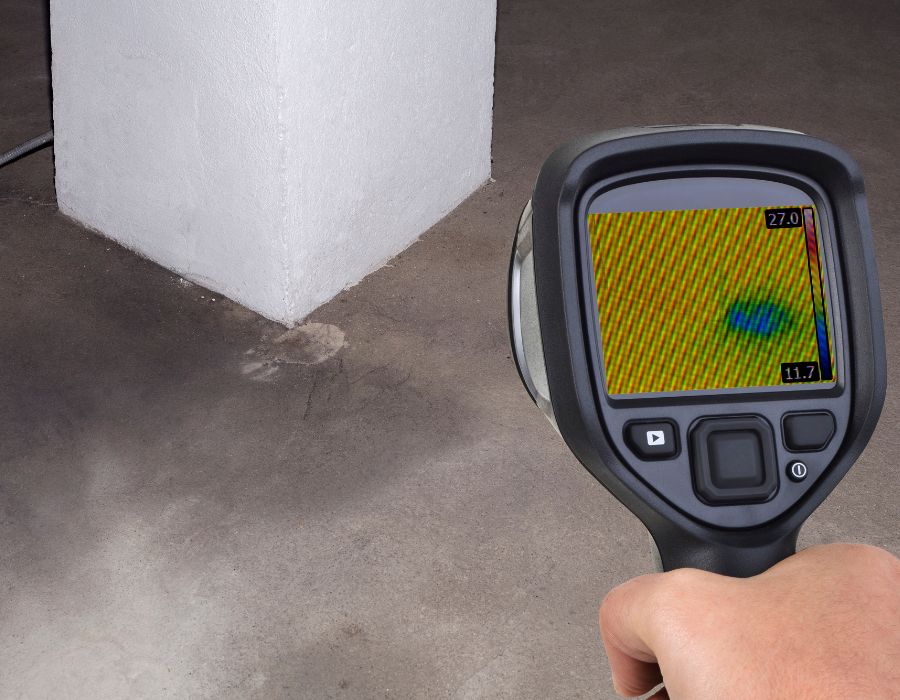
Thermal imaging cameras identify temperature differences in floors that indicate hot water leaks. This non-invasive technology shows us exactly where heated water is affecting the concrete above, allowing precise leak location.
Tracer gas detection involves introducing safe, detectable gas into the pipe system and using sensors to locate where the gas escapes. This method works particularly well for pressurized water lines.
Hydrostatic pressure testing helps determine whether leaks are in water supply lines or sewer drain lines. By isolating different sections of the plumbing system, we can identify which pipes are leaking.
Jennifer from Richardson East had noticed damp spots in her carpeting but assumed they were from pet accidents. Thermal imaging revealed a hot water leak under her master bathroom that had been saturating the pad and subfloor for months.
Slab Leak Repair Methods
The repair method for slab leaks depends on the pipe location, type of leak, accessibility, and cost considerations. We evaluate each situation to recommend the most effective approach.
Direct repair involves breaking through the concrete slab to access and repair the leaking pipe. This method works well for isolated leaks in accessible areas, but it requires concrete removal and restoration.
Pipe rerouting bypasses the problem area by running new pipes through walls, ceilings, or other accessible routes. This approach avoids concrete demolition and can be more cost-effective than direct repair for multiple leaks.
Epoxy pipe lining creates a new pipe inside the existing damaged pipe. This technology works well for supply lines with minor leaks and doesn’t require concrete removal.
Pipe replacement becomes necessary when multiple leaks or extensive pipe deterioration make repair impractical. We often recommend replacing entire sections of pipe rather than patching individual leaks.
The Chen family near Spring Valley Road chose pipe rerouting when their 50-year-old copper lines developed three separate slab leaks within six months. Rerouting the pipes through their attic prevented future slab leak problems and was less expensive than multiple concrete repairs.
Prevention and Early Detection
While slab leaks aren’t always preventable, regular monitoring and maintenance can help identify problems before they cause extensive damage.
Annual plumbing inspection includes checking for signs of slab leaks, monitoring water pressure, and testing for hidden leaks. Early detection saves money and prevents foundation damage.
Water pressure monitoring helps identify sudden changes that might indicate developing leaks. Install pressure gauges or smart leak detection systems that alert you to unusual water usage patterns.
Foundation monitoring includes watching for new cracks, settling, or other signs that might indicate soil saturation from hidden leaks. Regular foundation inspections can catch slab leak damage early.
Proper grounding of electrical systems prevents electrolysis that can cause pinhole leaks in copper pipes. Many older Richardson homes have grounding issues that accelerate pipe deterioration.
Insurance and Slab Leak Coverage
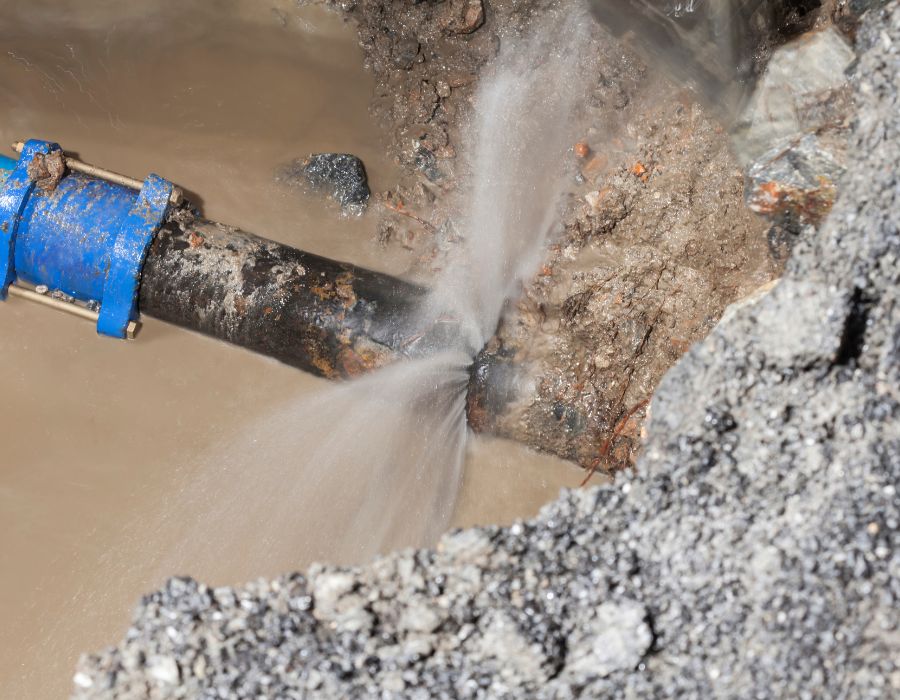
Slab leak coverage varies significantly between insurance policies and circumstances. Understanding your coverage helps you make informed decisions about repair approaches.
Most homeowner’s insurance policies cover damage caused by slab leaks but not the cost of accessing and repairing the actual leak. Coverage typically includes damaged flooring, walls, and personal property, but not the plumbing repair itself.
Sudden and accidental leaks are more likely to be covered than gradual leaks that develop over time. Insurance companies may deny claims if they determine the leak resulted from poor maintenance or normal wear and tear.
Documentation is critical for insurance claims. Professional leak detection reports, photos of damage, and detailed repair estimates help support your claim and ensure proper coverage.
The Rodriguez family learned the importance of proper documentation when their insurance company initially denied their slab leak claim. Professional detection reports and photos of the damaged flooring helped them successfully appeal the decision.
Slab Leak Repair Timeline
Understanding the timeline for slab leak repair helps you plan for the disruption and make temporary arrangements if necessary.
Detection and diagnosis typically take 2-4 hours using modern electronic equipment. This phase determines the exact location and extent of the leak, allowing us to recommend the best repair approach.
Direct repair through the slab usually takes 1-2 days, including concrete cutting, pipe repair, and concrete restoration. You’ll need to arrange temporary water service during the repair process.
Pipe rerouting can take 1-3 days depending on the complexity of the new route and accessibility. This method usually allows us to maintain water service to most of your home during the repair.
Concrete restoration adds additional time for curing and finishing. While the pipe repair may be complete in a day, it can take several more days for concrete and flooring restoration.
Working with Qualified Professionals
Slab leak repair requires specialized skills and equipment that most general contractors don’t possess. Choosing qualified professionals ensures proper diagnosis and effective repairs.
Look for contractors with specific slab leak detection equipment and experience. Electronic leak detection requires training and specialized tools that not all plumbers have.
Licensing and insurance are particularly important for slab leak work because of the potential for property damage during concrete cutting and excavation. Verify that contractors carry appropriate liability coverage.
References from recent slab leak customers provide insight into the contractor’s work quality and customer service. Slab leak repair is disruptive, so contractor communication and professionalism matter.
We provide complete slab leak services from detection through repair and restoration. Our team has the equipment and experience to handle Richardson’s unique soil conditions and foundation types.
Cost Considerations for Slab Leak Repair
Slab leak repair costs vary widely depending on the leak location, repair method, and extent of damage. Understanding cost factors helps you budget appropriately and make informed decisions.
Detection costs are relatively minor compared to repair costs, but proper detection prevents unnecessary destruction and reduces overall project costs. Professional detection typically pays for itself by avoiding exploratory demolition.
Direct repair costs include concrete cutting, pipe repair, and concrete restoration. These costs increase if multiple leaks require several access points or if reinforced concrete requires special cutting equipment.
Rerouting costs depend on the distance and complexity of the new pipe route. While rerouting avoids concrete work, it may require drywall repair and painting in areas where new pipes are installed.
Consider long-term value when choosing repair methods. While direct repair may cost less initially, rerouting prevents future slab leak problems and can be more economical over time.
If you suspect a slab leak in your Richardson home, don’t wait for the problem to worsen. Our advanced detection equipment can locate the leak quickly and accurately, and our experienced team can recommend the most effective repair approach for your specific situation.