Water Softener Maintenance Richardson TX - Keep Your System Running Smoothly
One of the families from Canyon Creek called me last spring with a familiar story. Their five-year-old water softener had been working great until suddenly it wasn’t. Hard water was coming out of every faucet, their dishes were spotted again, and they were going through soap like crazy.
“We haven’t touched anything,” Beth insisted when I arrived at their house near Forest Lane. “It just stopped working one day, like someone flipped a switch.”
After a quick inspection, I found the problem: their salt tank was completely empty, and had been for months. They’d been so busy with work and kids that they’d forgotten to check it. The system had been trying to regenerate with plain water, which obviously doesn’t work.
Twenty minutes and four bags of salt later, they had soft water again. But the real lesson here is that water softeners need regular attention to keep working properly. A little maintenance prevents big problems.
Our Services
Contact Us
What Your Neighbors Are Saying About Us
Why Regular Maintenance Matters in Richardson
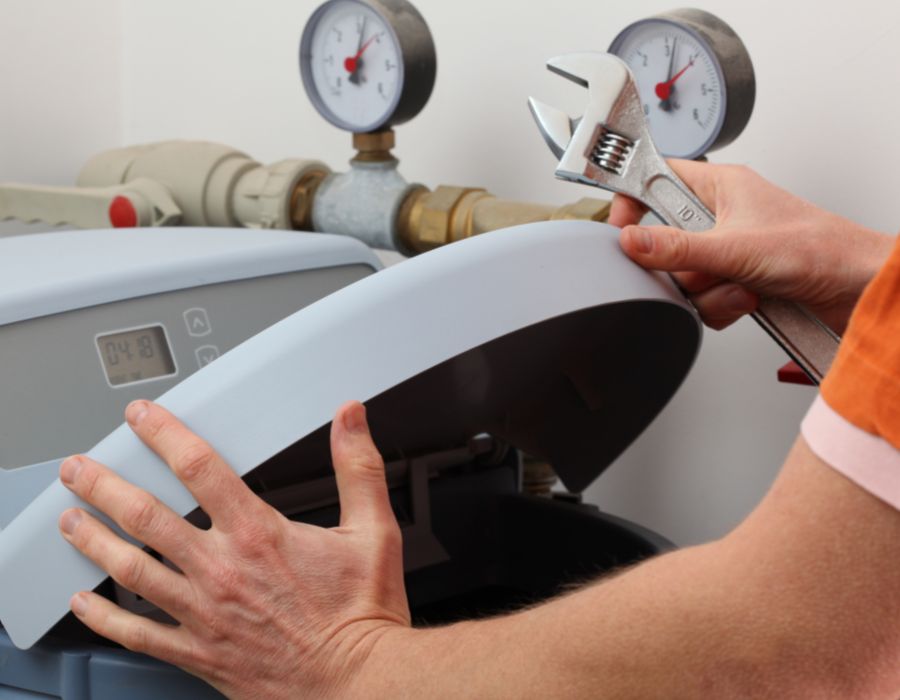
Richardson’s hard water is tough on water softening equipment. Our municipal water has high mineral content that makes these systems work harder than they would in other parts of the country. Without proper maintenance, even expensive systems fail prematurely.
I’ve seen ten-year-old water softeners that look and work like new because their owners stayed on top of maintenance. I’ve also seen three-year-old systems that need major repairs because they were neglected. The difference isn’t the brand or model – it’s how well they’ve been cared for.
Regular maintenance does three important things: it prevents expensive repairs, it keeps your water consistently soft, and it extends the life of your system. Most water softener problems start small and get worse over time. Catching issues early saves money and frustration.
The other benefit of regular maintenance is efficiency. A properly maintained water softener uses less salt and electricity than one that’s struggling with dirty components or incorrect settings. Over the life of the system, maintenance pays for itself through reduced operating costs.
Salt Level Monitoring and Management
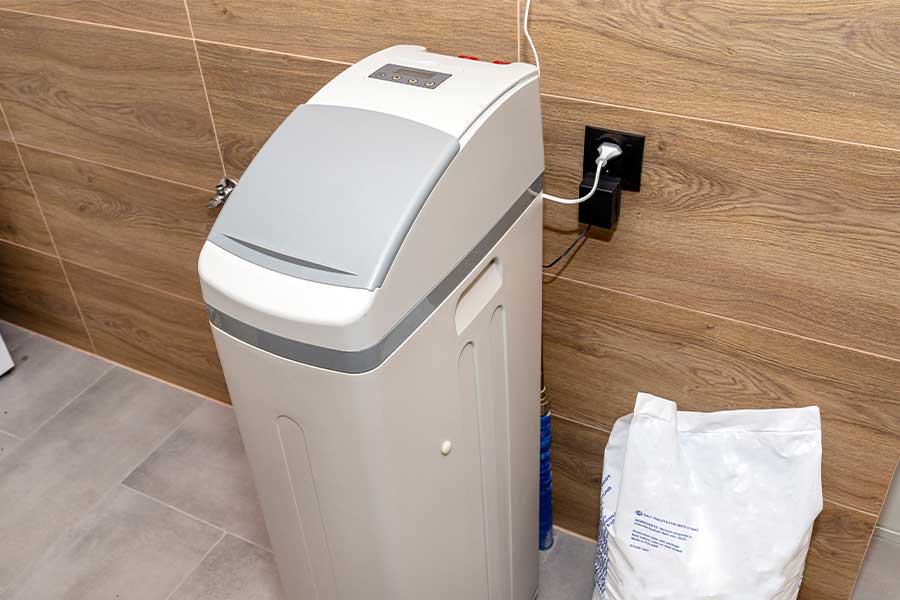
The most basic maintenance task is keeping an eye on your salt level, but there’s more to it than just making sure the tank isn’t empty. The type of salt you use, how you store it, and how you add it all affect system performance.
We recommend checking salt levels monthly, but that doesn’t mean waiting until the tank is empty. You want to add salt when the level drops to about 25% full. This prevents the brine tank from running completely dry, which can cause problems with the injector system.
Another family near Richardson Square Mall learned this the hard way. They would let their salt tank run completely empty before refilling it, thinking they were saving money by using every bit of salt. What actually happened was that their injector kept getting clogged with sediment because there wasn’t enough water coverage in the brine tank.
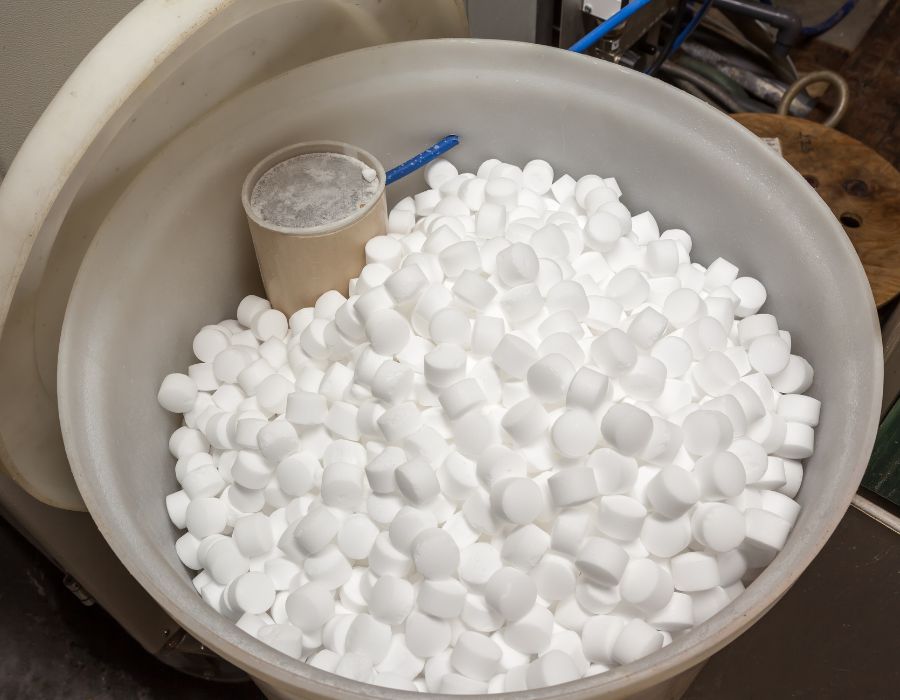
We use pellet salt for most Richardson installations because it dissolves cleanly and doesn’t leave residue in the brine tank. Avoid rock salt or salt with additives unless your system specifically requires them. The wrong type of salt can damage components or reduce efficiency.
Storage matters too. Keep salt bags in a dry place, and don’t dump new salt directly on top of old salt that’s been sitting in the tank for months. Old salt can form a bridge or crust that prevents proper dissolution.

Brine Tank Cleaning and Inspection
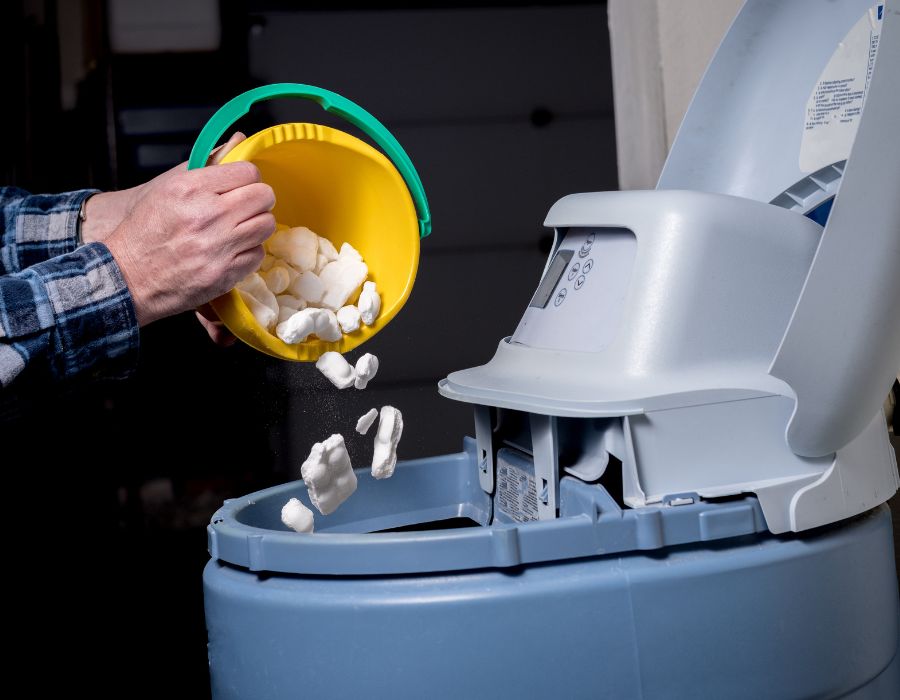
The brine tank is where salt mixes with water to create the brine solution that regenerates your resin beads. Over time, this tank can accumulate sediment, develop bacterial growth, or form salt bridges that prevent proper operation.
We recommend cleaning the brine tank annually, or more often if you notice sludge buildup or unusual odors. This involves shutting off the system, draining the tank completely, and scrubbing it clean with a mild bleach solution.
I cleaned a brine tank last month for a customer in Duck Creek who couldn’t figure out why her water wasn’t getting as soft as it used to. When we drained the tank, there was about two inches of brown sludge at the bottom that had been building up for years.
The cleaning process revealed that her tank’s salt screen was broken, allowing undissolved salt and debris to accumulate in the bottom of the tank. We replaced the screen and thoroughly cleaned everything, and her water quality returned to normal.
Brine tank inspection also includes checking the overflow tube, the brine line connections, and the injector assembly. These components can get clogged with sediment or damaged by improper salt handling.
Control Valve Cleaning and Calibration
The control valve is the brain of your water softener, and it needs periodic cleaning and adjustment to work properly. This is where water flows through during regeneration cycles, and mineral buildup can affect its operation.
Control valve maintenance includes cleaning the valve seats, checking the timer mechanism, and verifying that all cycles complete properly. We also test the flow rates and adjust the regeneration frequency based on your actual water usage.
A customer on Beltline Road called us because their water softener was regenerating every night, even though they were only using about half their system’s capacity. The control valve timer had drifted out of calibration, causing excessive regeneration cycles that wasted salt and water.
After recalibrating the timer and adjusting the hardness setting for their actual water conditions, they went from daily regeneration to every three days. That simple adjustment cut their salt usage by more than half.
Some newer systems have electronic controls that can be programmed more precisely, but older mechanical timers need manual adjustment as they age. We test all the valve functions during maintenance visits to catch problems before they cause system failures.
Resin Bed Maintenance and Cleaning
The resin beads in your softener tank do the actual work of removing minerals from your water. These beads can last 10-15 years under normal conditions, but they need occasional cleaning to remove accumulated contaminants.
Iron, chlorine, and organic matter can all affect resin bed performance. Richardson’s municipal water is generally low in iron, but homes with older galvanized plumbing can introduce iron into the water supply, which poisons resin beads over time.
We use specialized resin cleaners to remove iron buildup and restore the beads’ mineral-removing capacity. This process involves adding the cleaning solution to the brine tank and running a special regeneration cycle that flushes contaminants from the resin bed.
A family near Canyon Creek noticed their water getting harder gradually over several months. Hard water testing showed that their softener was only removing about 60% of the minerals it should have been removing.
A resin bed cleaning restored their system to full capacity without the expense of replacing the resin. The cleaning removed iron deposits that had accumulated from their old water heater, which was releasing small amounts of iron into their water system.
Seasonal Maintenance Considerations
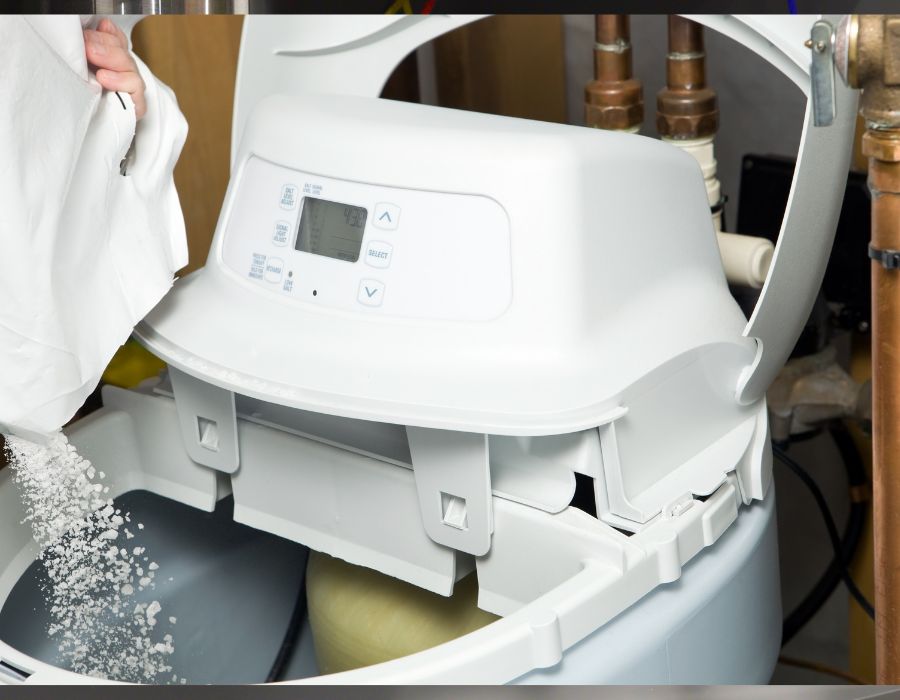
Richardson’s climate creates specific maintenance needs throughout the year. Summer heat can affect salt storage and increase bacteria growth in brine tanks. Winter temperature fluctuations can cause salt to clump or form bridges.
During hot summer months, we see more problems with salt caking and bacterial growth in brine tanks. Storing salt in a cool, dry place becomes especially important when temperatures are consistently over 90 degrees.
Fall is a good time for comprehensive system maintenance because you’re preparing for the higher water usage that typically comes with holiday guests and winter indoor activities. This is when we recommend annual brine tank cleaning and complete system inspection.
Winter brings its own challenges. Temperature swings can cause salt to form hard bridges over the water in your brine tank. We also see more control valve problems in winter because heating systems can dry out rubber seals and gaskets.
Spring is when we typically see the most service calls because problems that developed over winter become apparent as water usage increases. This is also when we recommend water quality analysis to verify that your system is working properly after the winter months.
DIY Maintenance vs Professional Service
Some water softener maintenance tasks are simple enough for homeowners to handle, while others require professional knowledge and tools. Knowing which is which can save you money and prevent damage to your system.
Homeowner maintenance includes checking salt levels, cleaning the brine tank, and monitoring system performance. These tasks don’t require special tools and can be done safely by following the manufacturer’s instructions.
Professional maintenance includes control valve service, resin bed cleaning, and electrical component testing. These procedures require specialized knowledge and equipment, and attempting them without proper training can cause expensive damage.
We offer maintenance plans for customers who want professional service, but we also provide training for homeowners who prefer to handle routine maintenance themselves. The key is understanding your system’s needs and recognizing when professional help is necessary.
Troubleshooting Common Issues
Regular maintenance helps prevent problems, but it also helps you recognize when something isn’t working properly. Understanding common symptoms can help you address issues before they become expensive repairs.
If your water doesn’t feel as soft as it used to, check your salt level first. If salt levels are adequate, the problem might be resin bed contamination, incorrect control valve settings, or a failing component that needs water softener repair.
Strange noises during regeneration cycles usually indicate mechanical problems with the control valve or motor assembly. These issues typically require professional diagnosis and repair.
Water in unusual places – like salt water backing up into your home’s plumbing or water overflowing from the brine tank – indicates serious problems that need immediate attention.
Creating a Maintenance Schedule
The best maintenance is planned maintenance. We provide our customers with customized maintenance schedules based on their system type, water conditions, and usage patterns.
A typical schedule includes monthly salt level checks, quarterly performance monitoring, semi-annual brine tank inspection, and annual professional service. Some systems need more frequent attention, while others can go longer between services.
We also recommend keeping maintenance records so you can track your system’s performance over time. This helps identify patterns and predict when major services or component replacements might be needed.
Professional Maintenance Services
Our professional maintenance service includes complete system inspection, component cleaning and adjustment, performance testing, and recommendations for any needed repairs or improvements.
We test water hardness before and after service to verify that your system is removing minerals effectively. We also check all electrical connections, test the control valve operation, and inspect all plumbing connections for leaks.
Regular professional maintenance typically prevents 80% of the problems that lead to expensive repairs. It’s also the best way to ensure that your system continues to provide consistently soft water throughout its expected lifespan.
If you want to keep your Richardson water softener running smoothly for years to come, don’t wait for problems to develop. Give us a call and we’ll set up a maintenance plan that fits your system and your budget.