Lisa was at her wit’s end when she called us last spring. She’d lived in her Canyon Creek home for two years, and the hard water was driving her crazy. Her dishwasher had already been replaced once, her shower doors were permanently cloudy, and she was spending a fortune on soap and shampoo that didn’t seem to work properly.
“I grew up in Dallas with city water, and I never had these problems,” she told me during our consultation at her house. “But my husband keeps saying we don’t need a water softener because the water is ‘safe to drink.’ He doesn’t understand that safe and good are two different things.”
After showing them the hard water testing results – 16 grains per gallon, which is extremely hard – and explaining how much money they were wasting on soap, detergent, and premature appliance replacement, her husband became a believer.
Six months after installing their residential water softening system, Lisa’s dishes sparkle, her hair feels softer, and they’re using half as much soap and shampoo. Best of all, her husband admits he was wrong about not needing soft water.
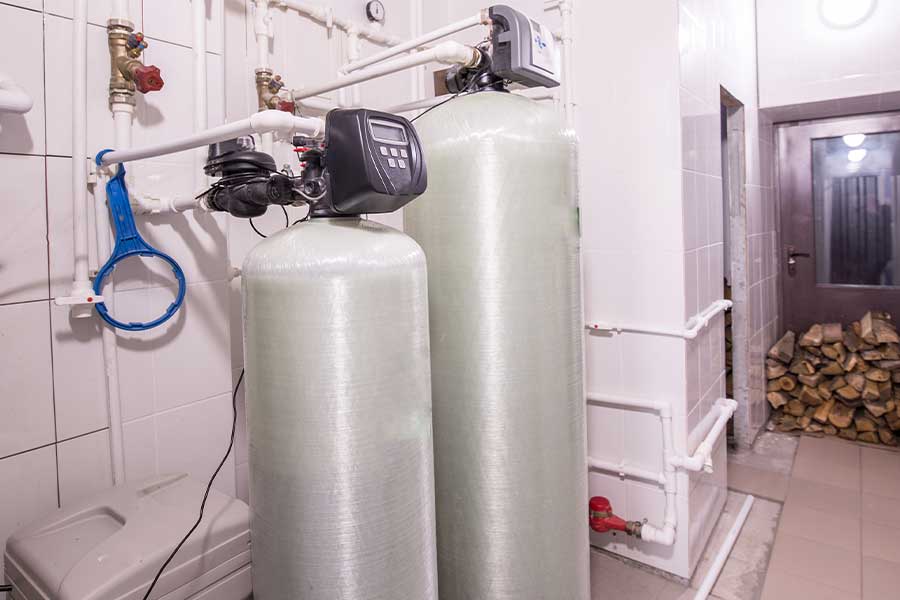
Richardson’s municipal water consistently tests between 12-16 grains per gallon of hardness, making it “very hard” by water quality standards. This hardness comes from dissolved calcium and magnesium that naturally occur in our local water sources.
Hard water creates problems throughout your home that go far beyond just spotted dishes. It builds up in your plumbing, reduces the effectiveness of soaps and detergents, makes your skin and hair feel dry, and significantly shortens the life of water-using appliances.
One family near Duck Creek calculated that hard water was costing them over $1,200 per year in extra soap, premature appliance replacement, and increased energy costs from mineral buildup in their water heater. Their water softener paid for itself in less than two years just through these savings.
Hard water also affects your daily comfort. Soap doesn’t lather properly, your skin feels dry and itchy after showering, and your hair looks dull and lifeless. These aren’t just cosmetic issues – they’re quality of life problems that affect your family every single day.
Water softening uses a process called ion exchange to remove calcium and magnesium from your water. The system contains thousands of tiny resin beads that are charged with sodium ions. As hard water passes through these beads, calcium and magnesium stick to the resin while sodium is released into the water.
This process effectively eliminates the minerals that cause hardness while replacing them with sodium, which doesn’t cause the same problems. The amount of sodium added is minimal – less than what’s naturally found in many foods.
When the resin beads become saturated with calcium and magnesium, the system automatically regenerates by flushing them with salt water (brine). This process strips away the accumulated minerals and recharges the beads with fresh sodium ions.
Modern residential water softeners are completely automatic. Once properly installed and programmed, they monitor your water usage and regenerate only when necessary, ensuring you always have soft water while minimizing salt and water consumption.
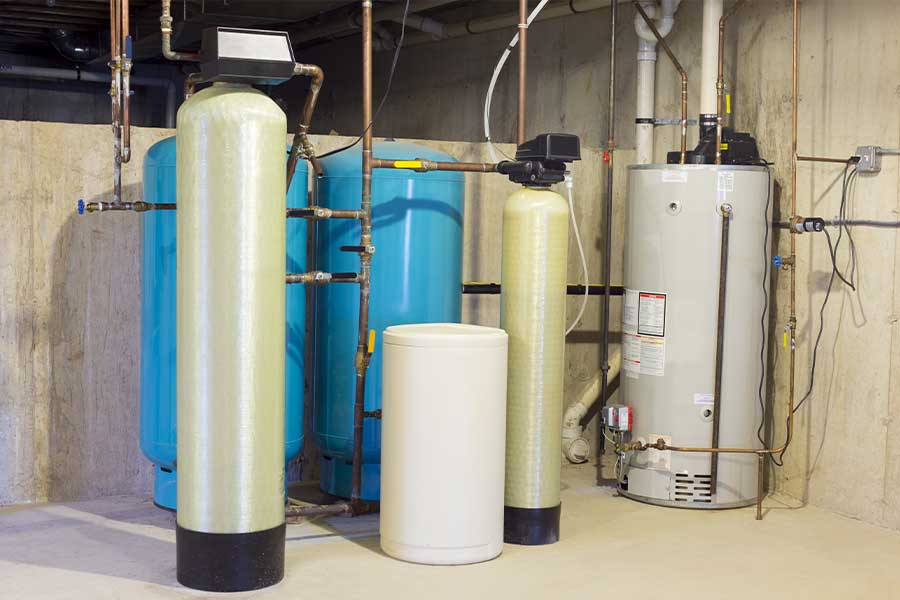
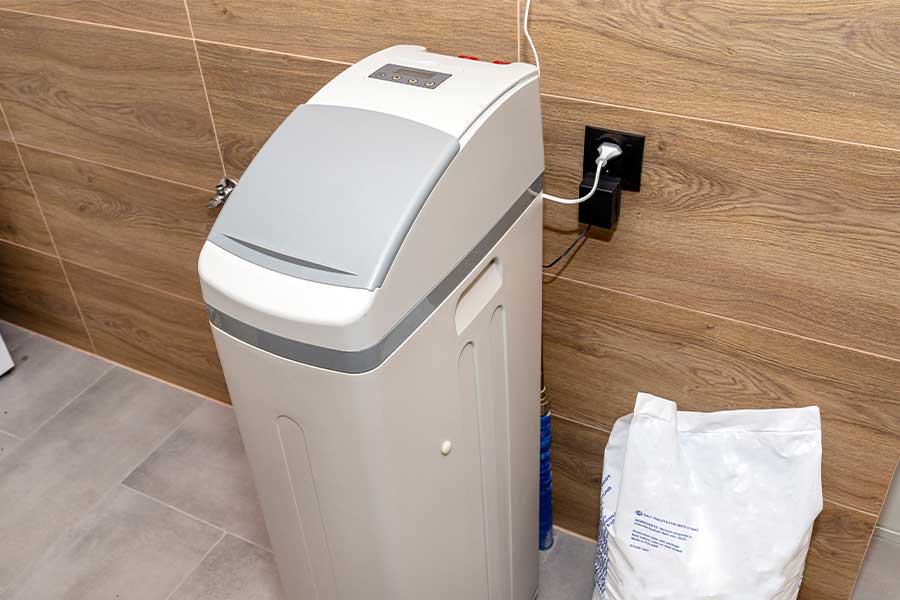
Different Richardson homes need different types of water softening systems depending on water hardness levels, family size, available space, and budget considerations. We install several types of systems to meet these varying needs.
Traditional salt-based systems are the most common and effective for Richardson’s very hard water. These systems use the ion exchange process described above and can handle virtually any level of hardness. They’re available in different sizes and capacities to match your household’s water usage.
One of our customers has a large family with four teenagers, so we installed a high-capacity twin-tank system that ensures they never run out of soft water, even during peak usage times like busy weekend mornings.
Compact systems are designed for homes with limited space. These units fit in smaller areas but still provide effective water softening for average-sized families. They’re popular in Richardson’s older homes where utility space is limited.
Electronic or computerized systems offer advanced features like demand-initiated regeneration, which monitors actual water usage rather than operating on fixed schedules. These systems optimize salt and water usage while ensuring consistent water quality.
Choosing the right size water softener is critical for effective operation and cost efficiency. A system that’s too small will regenerate too frequently, wasting salt and water. A system that’s too large wastes money upfront and may not regenerate often enough to maintain water quality.
Proper sizing requires knowing your water hardness level, daily water usage, and peak demand periods. Richardson’s 14-16 grain water hardness means systems need more capacity than they would in areas with softer water.
We calculate sizing based on your family’s actual water usage patterns, not just the number of people in your household. A family of four that takes long showers and runs multiple loads of laundry daily needs more capacity than a family of four with more modest water usage.
A family near Richardson East initially bought an undersized system from a big box store. It regenerated every single day, used excessive salt, and still couldn’t keep up with their water demand during busy mornings. We replaced it with a properly sized system that regenerates every three days and provides consistent soft water.
Installing a residential water softener involves more than just connecting it to your water line. Proper installation requires understanding your home’s plumbing layout, electrical requirements, and drainage options.
Most Richardson homes built after 1980 have suitable locations for water softener installation, typically in the garage, utility room, or basement. The system needs access to the main water line, electrical power, and a drain for the regeneration wastewater.
Older homes sometimes present installation challenges. One homeowner had a 1960s home with galvanized plumbing that required careful planning to avoid disrupting their water service during installation. We completed the installation in sections to minimize inconvenience.
The installation process includes connecting to your main water line (after the water meter but before the water heater), installing a bypass valve for maintenance, connecting the drain line for regeneration cycles, and programming the system for your specific water conditions.
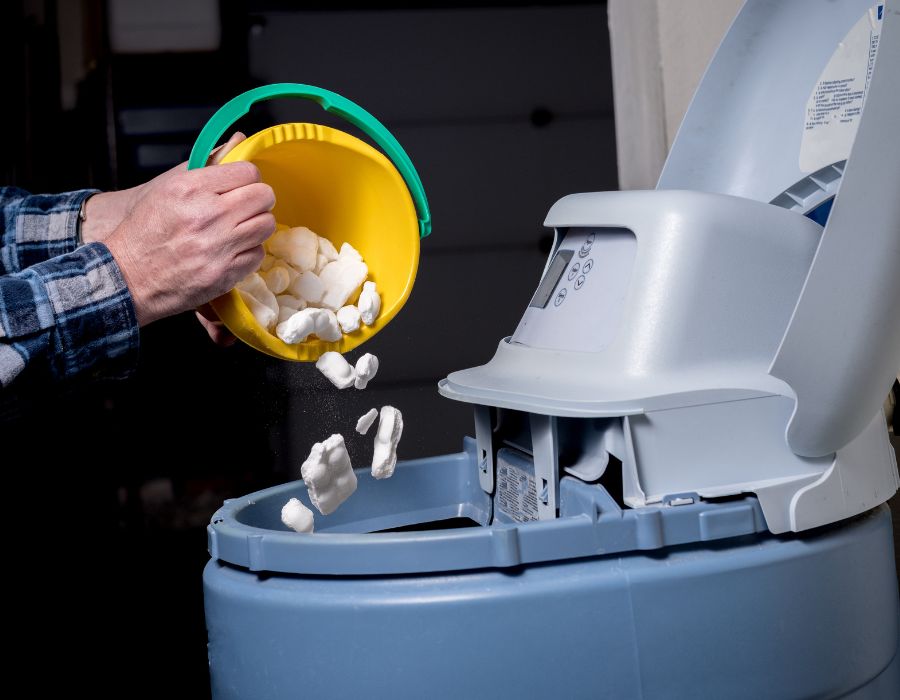
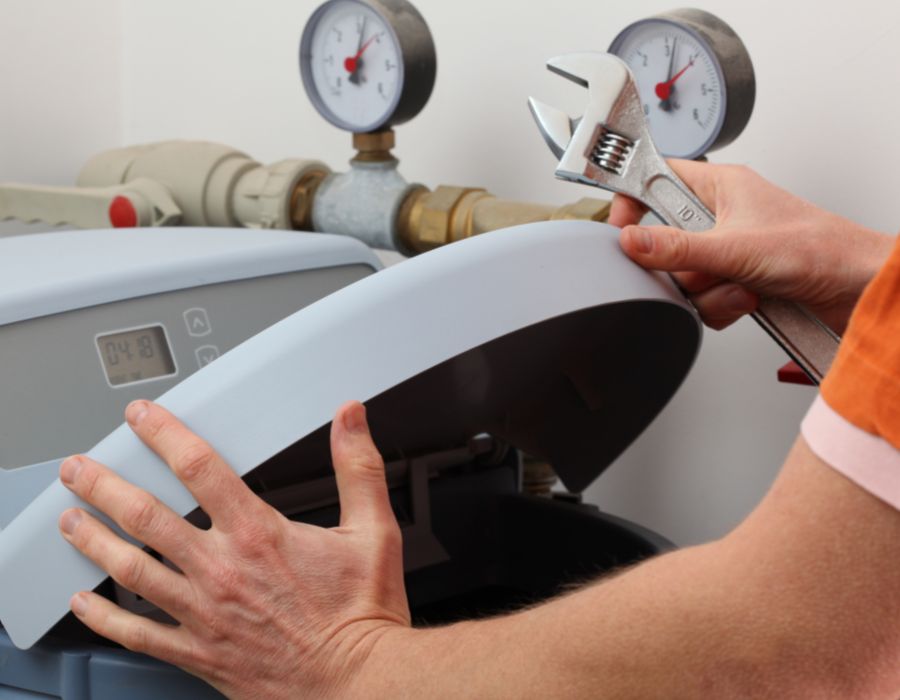
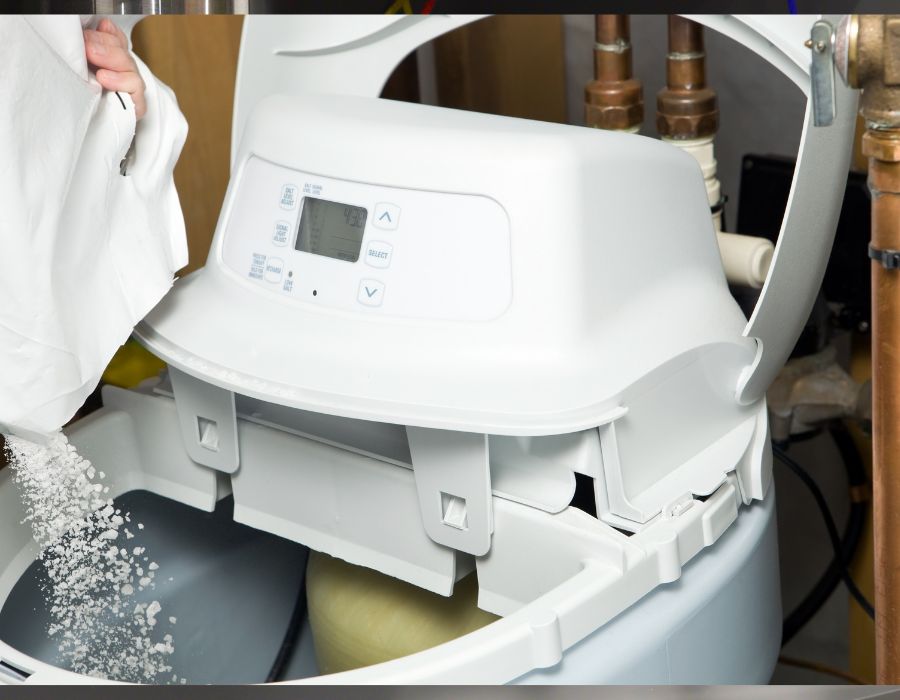
Residential water softeners are remarkably low-maintenance when properly installed and operated. The primary maintenance requirement is keeping the salt tank filled and occasionally cleaning the brine tank.
Water softener maintenance includes monthly salt level checks, quarterly system performance monitoring, and annual professional service to clean components and verify proper operation.
The type of salt you use affects maintenance requirements. We recommend high-purity pellet salt that dissolves cleanly and doesn’t leave residue in your brine tank. Avoid rock salt or salt with additives that can cause problems with system components.
Richardson’s hard water can be tough on water softener equipment, but proper maintenance prevents most problems. The Chen family has had their system for eight years with only routine maintenance, and it still works like new.
Many Richardson families benefit from combining water softening with other water treatment technologies. Soft water actually improves the performance of many other treatment systems while providing comprehensive water quality improvement.
Reverse osmosis systems work more efficiently with soft water because calcium and magnesium don’t build up on the RO membrane. This extends membrane life and improves system performance.
Carbon filtration systems also benefit from soft water because mineral buildup doesn’t interfere with the carbon’s ability to remove chlorine and other contaminants. The Martinez family has both water softening and carbon filtration, giving them soft water that also tastes great.
Water purification systems often work better with soft water as an input because many purification technologies are affected by high mineral content.
While the upfront cost of a water softener might seem significant, the long-term savings typically pay for the system within 2-3 years. These savings come from multiple sources that add up quickly.
Soap and detergent savings are immediate and noticeable. Soft water requires 50-75% less soap and detergent to achieve the same cleaning results. One family calculated they’re saving over $400 per year just on laundry detergent, dish soap, and personal care products.
Appliance life extension is a major but often overlooked benefit. Water heaters, dishwashers, washing machines, and ice makers all last significantly longer when they don’t have to deal with mineral buildup. We’ve seen water heaters in soft water homes last 15-20 years compared to 8-10 years in hard water homes.
Energy savings occur because appliances work more efficiently without mineral buildup. Water heaters heat water faster, dishwashers clean better with less energy, and washing machines don’t work as hard to get clothes clean.
Plumbing maintenance costs are also reduced because soft water doesn’t create the mineral buildup that causes fixture problems and reduces water flow over time.
While water softening primarily addresses functional problems, many families notice significant improvements in personal comfort and skin/hair health after installation.
Soft water allows soaps and shampoos to work properly, creating rich lathers that rinse away completely. This eliminates soap residue that can make skin feel dry and hair look dull. Many Richardson families report that skin conditions like eczema improve after switching to soft water.
Jennifer told us that she had struggled with dry, itchy skin for years. Within two weeks of installing her water softener, her skin problems significantly improved.
Soft water also makes housework easier and more effective. Dishes come out of the dishwasher spotless, bathroom fixtures stay cleaner longer, and laundry feels softer and brighter.

While this page focuses on residential systems, it’s worth noting that commercial water softening requirements are quite different. Restaurants, laundromats, car washes, and other businesses have different sizing, installation, and maintenance needs.
Residential systems are designed for household water usage patterns – moderate flow rates with periodic high demand periods. They’re sized for families rather than continuous commercial operation.
Commercial systems require different engineering considerations and typically need professional monitoring and maintenance. If you have a home-based business that uses significant amounts of water, we can design a system that meets both residential and commercial needs.
While DIY water softener installation might seem appealing, professional installation ensures proper operation, warranty coverage, and optimal performance. Incorrect installation can cause expensive damage to your plumbing or result in poor water quality.
Professional installation includes proper sizing for your specific conditions, correct plumbing connections, electrical work if needed, system programming for optimal performance, and testing to verify proper operation.
We also provide training on system operation and maintenance so you understand how to keep your system working properly. Our installation includes warranties on both equipment and workmanship.
Modern water softeners are designed to be environmentally responsible while providing effective water treatment. High-efficiency systems minimize salt and water usage during regeneration cycles.
Some Richardson residents are concerned about salt discharge from water softeners, but modern systems use far less salt than older units and regenerate based on actual water usage rather than fixed schedules.
We also offer salt alternatives for customers who prefer not to use traditional salt, though these alternatives work differently and may not be suitable for all applications.
Water softener technology has advanced significantly in recent years, offering Richardson homeowners more efficient and user-friendly options than ever before.
Smart water softeners can be monitored and controlled remotely through smartphone apps. These systems provide usage data, maintenance reminders, and diagnostic information that helps optimize performance.
Demand-initiated regeneration technology monitors actual water usage and regenerates only when necessary, reducing salt and water consumption while ensuring consistent water quality.
High-efficiency systems use advanced resin formulations and improved valve designs to provide better performance with less salt and water usage.
If you’re tired of dealing with Richardson’s hard water problems and want to start enjoying the benefits of soft water throughout your home, give us a call. We’ll test your water, explain your options, and install a system that provides years of reliable soft water for your family.