Sink Installation Richardson TX - Professional Installation for Every Home and Budget
Lisa had been planning her kitchen renovation for months, and the new farmhouse sink was going to be the centerpiece. When the delivery truck arrived at her Canyon Creek home, she realized the beautiful porcelain sink was much heavier and more complex than she’d expected.
“I thought installing a sink would be straightforward,” she told me during our consultation at her house near Arapaho Road. “But when I saw all the plumbing connections and the weight of this thing, I knew I needed professional help.”
The installation involved modifying her cabinet to accommodate the larger sink, updating the plumbing connections, and carefully supporting the heavy porcelain. Three hours later, Lisa had the gorgeous kitchen centerpiece she’d dreamed of, properly installed and functioning perfectly.
That’s the reality of sink installation – what looks simple often involves complex plumbing and structural considerations that require professional expertise.
Our Services
- Appliance Hook-up
- Burst Pipe Repair
- Clogged Drain Repair
- Drain Cleaning
- Drain Snaking
- Faucet Repair & Installation
- Fixture Replacement
- Frozen Pipe Repair
- Garbage Disposal Installation & Replacement
- Gas Line Installation
- Home Repiping
- Hose Bib Replacement & Repair
- Hydro Jetting
- Hydrostatic Pressure Testing
- Laundry Room Plumbing
- Low Water Pressure Repair
- Water Line Repair
- Water Line Replacement
- Rooter
- Sewer Camera Inspection
- Sewer Line Pressure Testing
- Sink Installation
- Slab Leak Repair
- Tankless Water Heater Installation & Repair
- Toilet Repair & Installation
- Water Filtration Installation
- Water Heater Repair
- Water Heater Replacement & Installation
- Water Leak Detection & Repair
- Water Softener Installation
Contact Us
What Your Neighbors Are Saying About Us
Types of Sink Installations in Richardson Homes
Richardson homes feature various sink types and installation methods, each with specific requirements and challenges that affect the installation process.
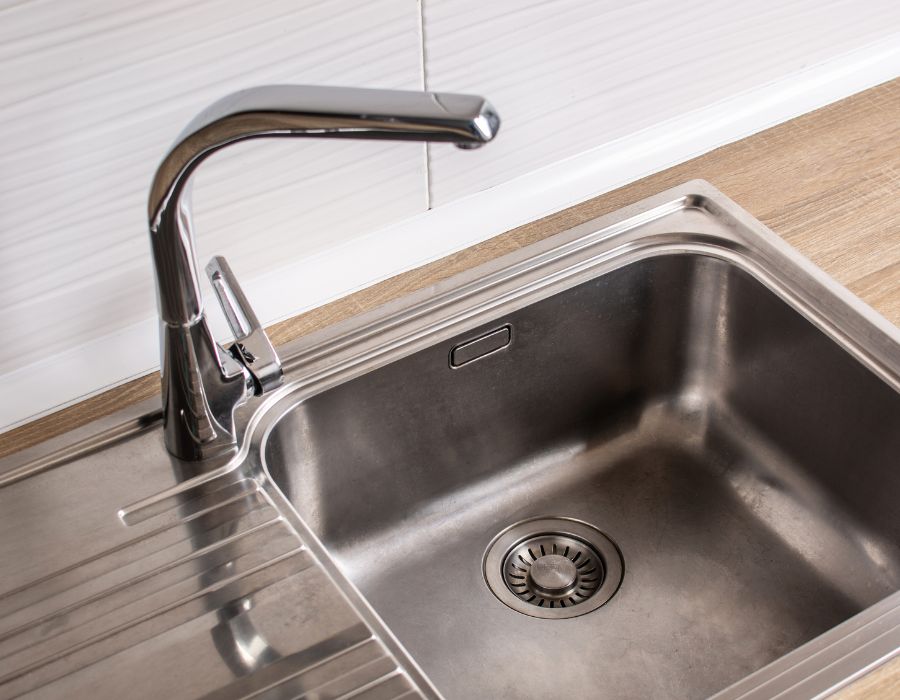
Drop-in sinks are the most common type in existing Richardson homes. These sinks sit on top of the countertop with a rim that covers the cutout edge. Installation is relatively straightforward but still requires proper plumbing connections and sealing.
Undermount sinks attach beneath the countertop for a clean, seamless appearance. These installations require precise measuring and strong mounting systems to support the sink’s weight without visible rim support.
Farmhouse or apron-front sinks extend beyond the cabinet front and often require significant cabinet modifications. These sinks typically weigh much more than standard models and need substantial structural support.
Vessel sinks sit on top of the countertop and require different plumbing configurations than traditional sinks. The elevated position affects drain connections and may require custom plumbing work.
Integrated sinks are molded as part of the countertop material and can’t be separately replaced. While not typically installed after construction, these sinks sometimes require replacement during renovations.
The Rodriguez family from Duck Creek wanted to upgrade from their basic drop-in sink to an undermount model during their kitchen remodel. The installation required new mounting hardware and careful coordination with their countertop fabricator.
Kitchen Sink Installation Considerations
Kitchen sinks handle heavy daily use and require robust installation that withstands constant water exposure, heavy dishes, and food preparation activities.
Cabinet modifications may be necessary when upgrading to larger sinks or different styles. Farmhouse sinks often require removing the cabinet face frame and installing additional support structures.
Countertop compatibility affects installation methods and timing. Some sink types require coordination with countertop installation, while others can be installed independently.
Plumbing updates often accompany sink installation, especially when changing sink sizes or configurations. New garbage disposal installations may require additional electrical work.
Support requirements vary dramatically between sink types. Heavy cast iron or natural stone sinks need much more support than lightweight stainless steel models.
Water supply connections must match the new sink’s configuration. Single-handle faucets require different supply arrangements than widespread faucet installations.
Michael from Richardson East discovered that his new large sink required relocating the dishwasher connection and modifying the cabinet interior to accommodate the deeper basin.
Bathroom Sink Installation Projects
Bathroom sinks present different challenges than kitchen installations, with space constraints and aesthetic considerations playing larger roles.
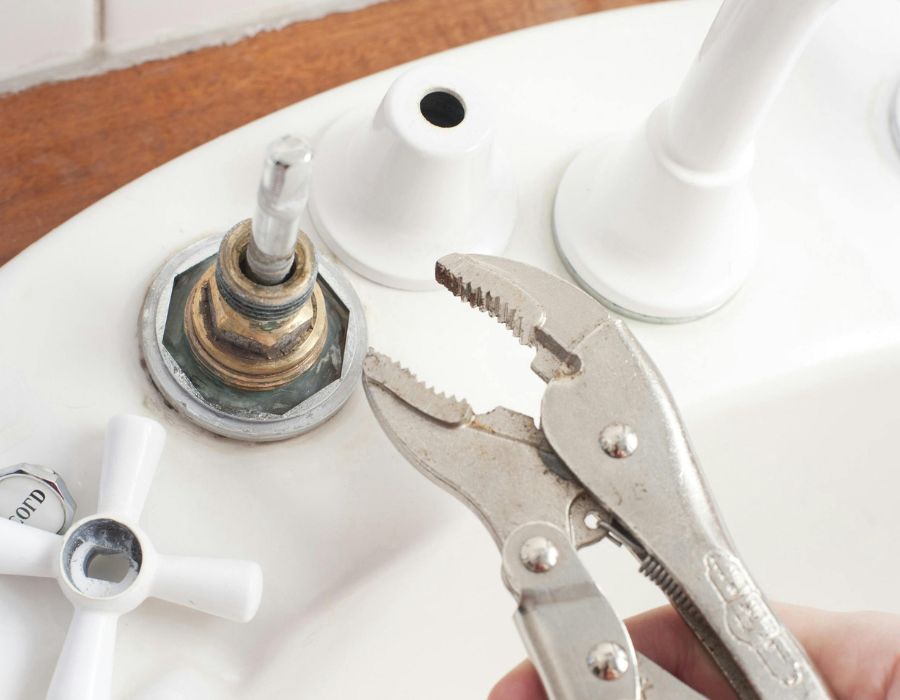
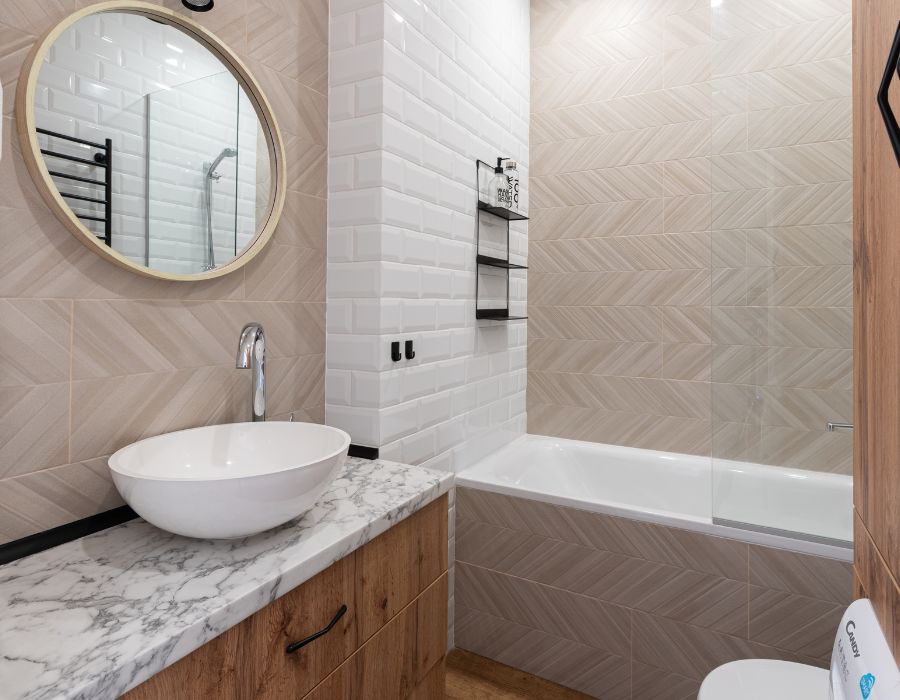
Vanity-mounted sinks integrate with bathroom cabinetry and require coordination between plumbing and cabinet installation. These installations often involve custom cutting and fitting.
Wall-mounted sinks require robust wall framing and concealed plumbing connections. These installations often need additional structural work to ensure adequate support.
Pedestal sinks combine a wall-mounted basin with a decorative base that conceals plumbing connections. Proper installation ensures the pedestal supports the sink weight while maintaining access for maintenance.
Console sinks feature decorative legs or stands that support the basin. These installations require precise alignment and secure mounting to prevent wobbling or movement.
Custom vanity installations often involve unique sink configurations that require careful planning and execution to achieve the desired appearance and functionality.
The Martinez family wanted to replace their outdated pedestal sink with a modern vanity and undermount sink. The project required relocating plumbing connections and reinforcing the wall to support the new cabinet.
Utility and Laundry Sink Installation
Utility sinks in garages, laundry rooms, and basements serve different purposes than kitchen and bathroom sinks and require appropriate installation approaches. Deep basin sinks handle large items and heavy-duty cleaning tasks. These sinks often require floor-mounted or wall-mounted installations that can support significant weight.
Laundry room plumbing installations may include special features like built-in washboards or spray attachments that require additional plumbing connections. Garage sink installations often involve running new plumbing lines to areas that weren’t originally equipped with water connections. These projects may require significant plumbing work.
Basement utility sinks may require pump systems if they’re below the main sewer line level. These installations involve additional complexity and equipment. Commercial-style utility sinks in Richardson homes often feature stainless steel construction and multiple compartments for different tasks.
Plumbing Connection Requirements
Proper plumbing connections ensure reliable operation and prevent leaks that can cause expensive water damage.
Water supply lines must be properly sized and positioned for the new sink configuration. Different faucet types require different supply arrangements and connections.
Drain connections must accommodate the sink’s drain configuration and may require modifications to existing drain lines. Deep sinks sometimes need different trap configurations.
Vent requirements ensure proper drainage and prevent sewer gas infiltration. Some sink installations require new vent connections or modifications to existing venting.
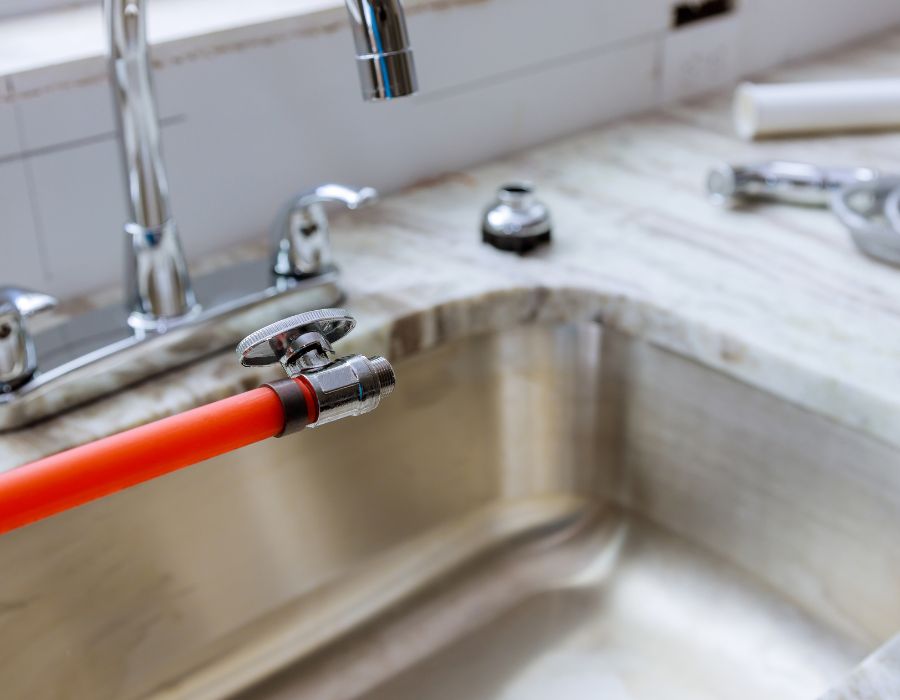
Shut-off valve installation provides convenient water control for maintenance and emergencies. We recommend installing shut-off valves for all sink installations.
Code compliance ensures installations meet local plumbing standards and pass inspection. Professional installation includes proper permitting and inspection coordination.
Jennifer from Forest Lane learned the importance of proper venting when her new kitchen sink drained slowly despite having adequate drain pipe size. Adding proper venting solved the drainage problem.
Professional Installation Process
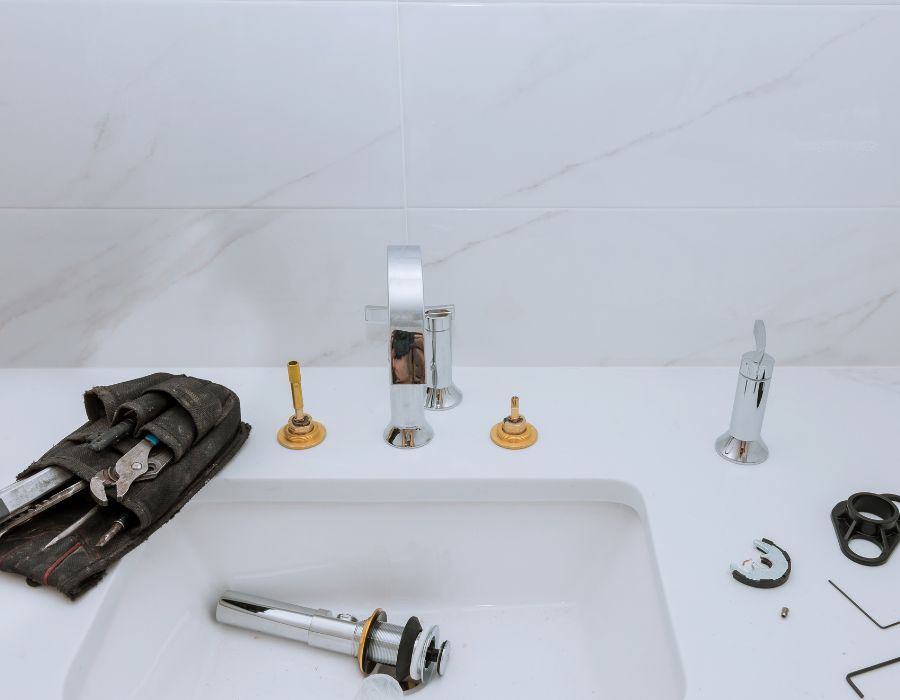
Professional sink installation follows systematic procedures that ensure proper operation and prevent future problems.
Site preparation includes protecting surrounding areas and ensuring adequate workspace for installation activities. We take care to prevent damage to floors, walls, and adjacent fixtures.
Measurement and layout verification ensures the new sink fits properly and aligns with existing plumbing connections. Precise measurements prevent costly mistakes and delays.
Plumbing modifications are completed before sink installation to ensure proper connections and avoid damage to the new fixture. All plumbing work is tested before final installation.
Mounting and securing procedures vary by sink type but always include proper support and waterproof sealing. We use appropriate mounting hardware and follow manufacturer specifications.
Testing and inspection ensures proper operation and identifies any issues before completing the project. All connections are tested under pressure to verify leak-free operation.
Fixture Replacement Considerations
Replacing existing sinks often involves additional considerations beyond new installations.
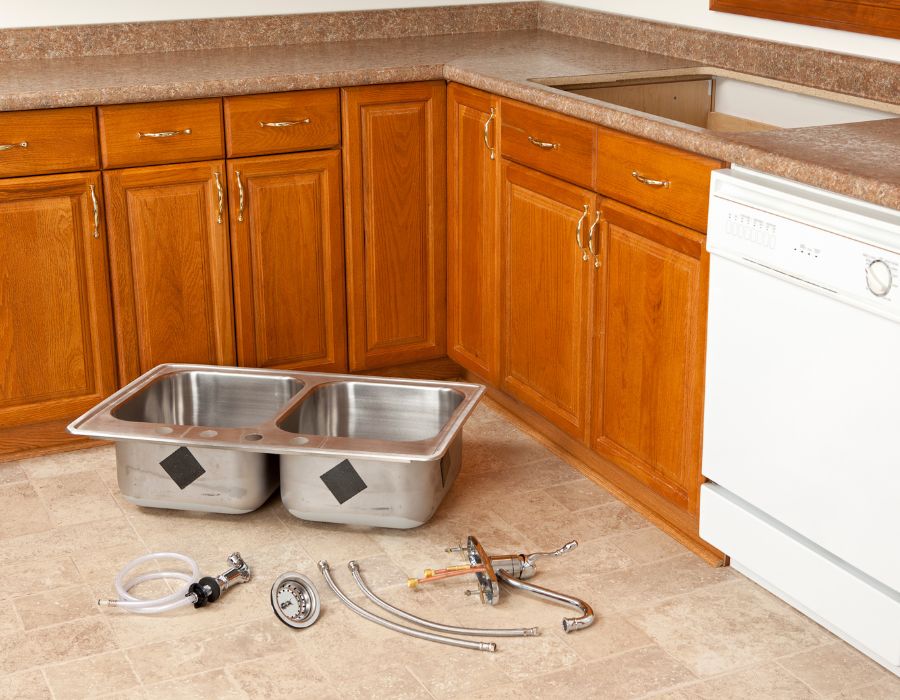
Removal of old fixtures requires careful disconnection of plumbing and proper disposal of old materials. Some older sinks contain materials that require special disposal procedures.
Damage assessment during removal may reveal problems with surrounding materials that need attention before installing the new sink.
Upgrade opportunities during replacement might include improving plumbing connections, adding shut-off valves, or updating supply lines.
Matching existing installations ensures new sinks coordinate with surrounding fixtures and finishes for a cohesive appearance.
Timeline considerations account for any necessary repairs or modifications discovered during the removal process.
Cost Factors and Budgeting
Understanding cost factors helps homeowners budget appropriately for sink installation projects.
Sink selection affects installation costs, with some types requiring more complex mounting and plumbing modifications than others.
Plumbing modifications can add significant costs if new water lines, drain connections, or venting are required.
Cabinet modifications for farmhouse or larger sinks involve additional carpentry work that affects project costs.
Electrical work may be required if the installation includes garbage disposals or other electrical components.
Permit and inspection fees vary by project scope but should be included in project budgeting.
The Chen family’s sink replacement became more expensive when we discovered damaged subflooring that needed repair before installing their new undermount sink.
Maintenance and Longevity
Proper installation techniques ensure long service life and minimal maintenance requirements for new sinks.
Sealing and waterproofing prevent water damage and extend the life of surrounding materials. We use appropriate sealants and installation techniques for each application.
Support adequacy ensures sinks remain stable and properly aligned throughout their service life. Inadequate support causes premature failure and expensive repairs.
Connection quality prevents leaks and ensures reliable operation. Professional connections include proper fitting selection and installation techniques.
Access for maintenance ensures future service and repairs can be performed efficiently. We plan installations to maintain reasonable access for maintenance activities.
If you need professional sink installation in Richardson, our experienced team ensures your new sink is properly installed for years of reliable service. We handle all aspects of the installation process, from plumbing modifications to final testing and cleanup.