
Maintaining your drains can feel like a chore, but it’s really just a small investment in your home’s health. By adopting a few simple practices, you can prevent major plumbing issues down the line. From regular inspections to utilizing the right tools, there’s more to effective drain care than meets the eye. Curious about the best methods to keep your plumbing in top shape? Let’s explore some proven tips that can make a difference.
Understanding the Importance of Preventive Drain Cleaning
When you think about your home’s plumbing, it’s easy to overlook the importance of preventative drain cleaning. However, neglecting this crucial task can lead to significant issues down the line. Clogged drains can cause backups, unpleasant odors, and even costly repairs. By scheduling regular drain cleaning, you can prevent these problems before they escalate.
It’s not just about clearing debris; it’s about maintaining a healthy plumbing system. Investing time in preventative drain cleaning helps guarantee your drains function smoothly. You’ll enjoy better water flow, reduced risk of blockages, and a longer lifespan for your plumbing. Plus, you’ll have peace of mind knowing your home is free from hidden plumbing issues. By making this a priority, you’re taking a proactive approach to your home maintenance. Regular inspections can help identify common causes of clogs before they become a serious problem. So don’t wait until it’s too late—embrace preventative drain cleaning as an essential part of your routine.
Regular Inspection and Maintenance Practices
To keep your plumbing system in top shape, regular inspection and maintenance practices are essential.
Start by checking for leaks, unusual sounds, or slow drainage in your sinks and tubs. These signs can indicate underlying issues that need attention. It’s a good idea to inspect your drains at least once a year, ensuring they’re free from debris and buildup.
Additionally, consider using enzyme-based cleaners monthly to maintain a healthy flow. This natural approach helps break down organic materials without harming your pipes. Expert water leak detection can also be beneficial in identifying hidden issues before they escalate.
Don’t forget to keep an eye on your outdoor drains too, especially during heavy rains.
Common Causes of Clogged Drains and How to Avoid Them
Clogged drains can be a major headache, but understanding the common causes can help you avoid them.
Here are three key culprits that often lead to frustrating blockages:
- Grease Buildup: Pouring fats, oils, and grease down your sink can solidify and trap debris, creating stubborn clogs. Always dispose of grease in a container instead.
- Hair Accumulation: In bathrooms, hair can easily gather in drains and form clumps. Use drain covers to catch hair and clean them regularly.
- Food Waste: Even small food particles can add up over time. Use a sink strainer and compost food scraps to keep your drains clear. Additionally, regular maintenance and expert rooter services can prevent more serious plumbing issues from developing.
DIY Drain Cleaning Techniques for Homeowners
While maintaining clear drains may seem challenging, there are several effective DIY techniques you can try at home.
First, regularly flush your drains with hot water to help dissolve grease and soap buildup. You can also create a natural drain cleaner by mixing equal parts baking soda and vinegar. Pour this mixture down the drain and let it fizz for about 15 minutes before rinsing with hot water.
For minor clogs, a plunger can be surprisingly effective; just make sure to cover any overflow holes. Additionally, periodically remove and clean your drain stoppers to prevent hair and debris buildup.
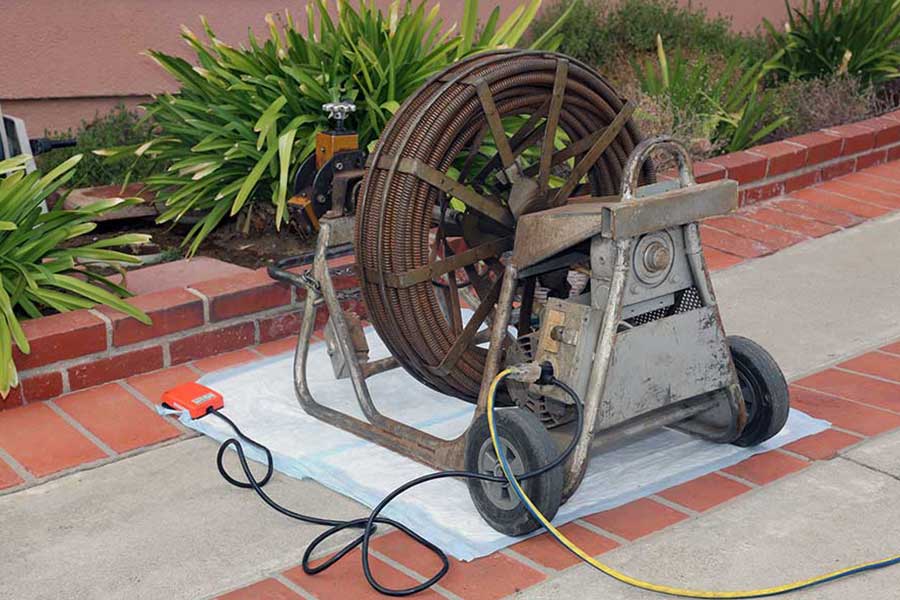
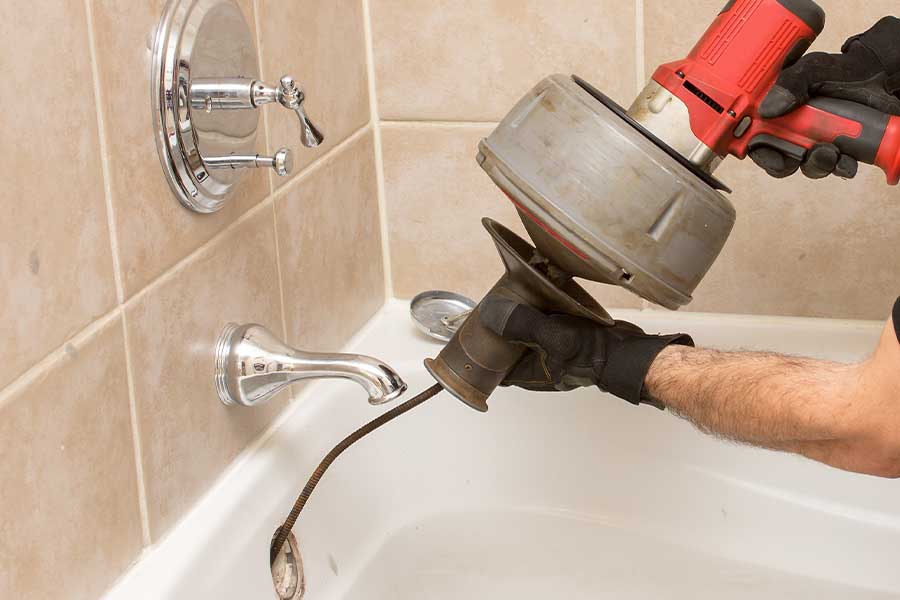
Finally, consider using a drain snake to reach deeper clogs without harsh chemicals. By incorporating these simple techniques into your routine, you’ll keep your drains flowing smoothly and reduce the risk of serious blockages, saving you time and money in the long run. It’s also essential to watch for signs of main water line issues that could indicate a more significant problem requiring professional assistance.
When to Call a Professional for Drain Cleaning Services
Even with your best DIY efforts, there are times when a professional’s expertise is necessary for drain cleaning.
Recognizing these moments can save you time and frustration. Here are three signs it’s time to call in the pros:
- Persistent Clogs: If you’ve tried multiple remedies and the clog keeps returning, it’s a sign of a deeper issue that requires professional intervention.
- Foul Odors: Unpleasant smells coming from your drains often indicate trapped debris or sewer issues that need immediate attention.
- Slow Drains: When water consistently pools in your sink or tub, it’s more than just a minor inconvenience; it can lead to serious plumbing problems.
Don’t hesitate to reach out to Dean’s Plumbing.
Our experienced team is ready to tackle your drain issues with care and precision, ensuring your home remains a comfortable haven.
Conclusion
By staying proactive with your drain maintenance, you can save yourself from costly plumbing disasters. Did you know that nearly 80% of homeowners face a plumbing emergency at some point? Regular inspections and simple practices like using enzyme-based cleaners can keep your pipes flowing smoothly. Don’t wait for a clog to disrupt your day; make preventative drain cleaning a part of your routine, and your plumbing will thank you in the long run!