
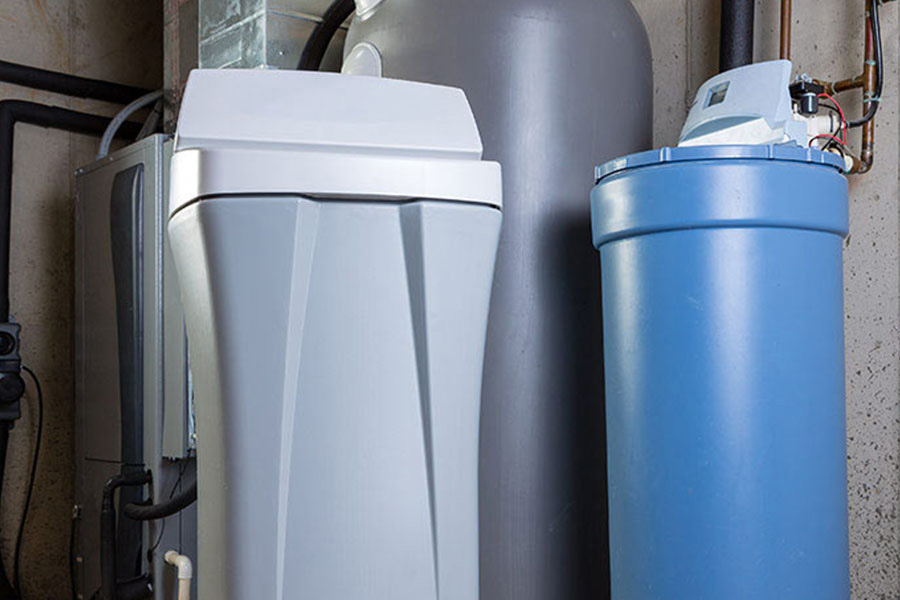
Have you ever wondered how a well-maintained water softener can transform your home’s water quality? By following some essential maintenance tips, you can guarantee your system runs efficiently and lasts longer. From checking salt levels to inspecting the resin bed, these practices can save you from costly repairs. Let’s explore the best steps you can take to keep your water softener in top condition.
Understanding the Importance of Water Softeners
Understanding the importance of water softeners is essential for maintaining the comfort and efficiency of your home. Hard water can lead to a range of issues, from scale buildup in your pipes to reduced effectiveness of soaps and detergents.
By investing in a water softener, you’re not just improving the quality of your water; you’re also protecting your plumbing system and appliances. Soft water helps prolong the lifespan of your washing machine, dishwasher, and water heater, saving you money on repairs and replacements in the long run.
Additionally, you’ll notice softer skin and hair after showers, as well as cleaner, brighter clothes. A water softener can also reduce the need for excessive cleaning products, which is better for both your wallet and the environment. Furthermore, expert installation services provided by Deans Plumbing ensure that your system is tailored to meet your specific water needs.
In short, a water softener enhances your home’s comfort, efficiency, and overall quality of life.
Regularly Check and Refill Salt Levels
Maintaining ideal salt levels in your water softener is essential for its performance. If the salt gets too low, your system won’t effectively remove hardness from your water, leading to issues like scale buildup in your appliances and plumbing.
To avoid this, make it a habit to check the salt levels at least once a month. When you look inside the brine tank, verify the salt level is above the water line. If it’s low, refill it with the right type of salt—usually, solar or evaporated salt works best.
Avoid using rock salt, as it can cause clogs and other problems. Don’t forget to keep an eye on the salt bridge, a solid crust that can form above the salt and prevent it from dissolving.
If you spot one, gently break it up and remove any excess salt. This simple maintenance keeps your water softener running smoothly! Additionally, regular maintenance can help prevent hidden damage from leaks, ensuring your plumbing remains in optimal condition.
Clean the Brine Tank Periodically
Cleaning the brine tank periodically is essential for keeping your water softener in top shape. Over time, salt residue and sediment can accumulate, affecting the efficiency of your system.
To clean it, unplug your water softener and turn off the water supply. Next, remove the brine well cover and drain any remaining brine solution. Use a mixture of warm water and mild soap to scrub the tank’s interior, paying special attention to corners where buildup tends to gather. Rinse thoroughly to guarantee no soap residue remains.
Once cleaned, refill the tank with fresh salt, and restore the water supply. Regularly checking and cleaning the brine tank helps prevent clogs, guaranteeing your water softener operates effectively. Aim to do this every six months or as needed based on your water quality. Additionally, maintaining your water softener contributes to improved water quality in your home, ensuring that your family enjoys clean, safe water.
Taking these simple steps will prolong the life of your water softener and improve its performance.
Inspect and Clean the Resin Bed
Since the resin bed plays a crucial role in your water softener’s performance, inspecting and cleaning it regularly is important.
Over time, minerals can build up in the resin, reducing its efficiency. Start by checking the resin bed for any signs of dirt or debris. If you notice discoloration or clumping, it’s time for a cleaning.
Use a resin cleaning solution specifically designed for your softener to clean the resin bed. Follow the manufacturer’s instructions to verify you’re using the right amount.
Once you’ve added the solution, run a regeneration cycle to flush out any impurities.
After cleaning, observe the water quality. If you still notice issues, it might be time to replace the resin.
Regularly inspecting and cleaning the resin bed not only maintains your water softener’s efficiency but also extends its lifespan, providing you with soft water for years to come. Additionally, ensuring that you regularly address any slow draining sinks can further enhance the overall efficiency of your plumbing system.
Schedule Professional Maintenance Services
Scheduling professional maintenance services for your water softener is essential to guarantee it operates at peak efficiency. Regular check-ups help identify potential issues before they escalate, saving you from costly repairs down the line.
When you partner with a trusted company like Dean’s Plumbing, you benefit from their expertise in residential systems.
During these appointments, technicians will inspect key components, replace filters, and guarantee proper salt levels. They’ll also provide insights tailored to your water quality and usage, enhancing your system’s performance.
Don’t wait for signs of trouble; proactive maintenance keeps your water softener running smoothly and extends its lifespan.
With Dean’s Plumbing, you’ll receive transparent communication and dependable service, assuring your home receives the care it deserves.
Schedule your professional maintenance today, and enjoy the comfort of knowing your water softener is in expert hands.

Conclusion
In Sachse, TX, neglecting your water softener can lead to frustrating issues and costly repairs. By following these essential maintenance tips, you not only extend the life of your system but also enjoy the benefits of soft water in your home. Isn’t it worth just a little effort to protect your investment? So, keep an eye on those salt levels, clean regularly, and don’t hesitate to call in the pros when needed. Your water—and wallet—will thank you!