
Many homeowners in Rowlett, TX, overlook the fact that tap water can contain a variety of contaminants that affect both health and taste. You might be surprised to learn that simple eco-friendly solutions can greatly improve your water quality. From choosing the right filtration system to implementing rainwater harvesting, several effective strategies exist to evaluate. Discover how these options can enhance your home’s sustainability and efficiency.
Understanding the Importance of Water Filtration
While you mightn’t think about it often, water filtration plays an essential role in ensuring the safety and quality of the water you and your family consume. Contaminants like bacteria, chemicals, and heavy metals can find their way into your drinking water, posing health risks. By investing in a reliable filtration system, you’re protecting your family from these hazards.
Clean water not only tastes better but also promotes overall health and wellness. Moreover, filtered water can reduce mineral buildup in appliances like dishwashers and coffee makers, improving their longevity.
You’ll also notice a difference in your skin and hair when you bathe in filtered water, as it helps eliminate harsh chemicals. Understanding the importance of water filtration empowers you to make informed decisions that benefit your health and home. Additionally, professional water filtration installation services can ensure that you have the right system in place for your specific needs.
Prioritize clean water, and you’ll enjoy peace of mind every time you fill a glass.
Choosing the Right Eco-Friendly Filtration System
How do you know which eco-friendly filtration system is right for your home? Start by evaluating your water quality. Get a water test kit to identify contaminants, so you can choose a system that targets those specific issues.
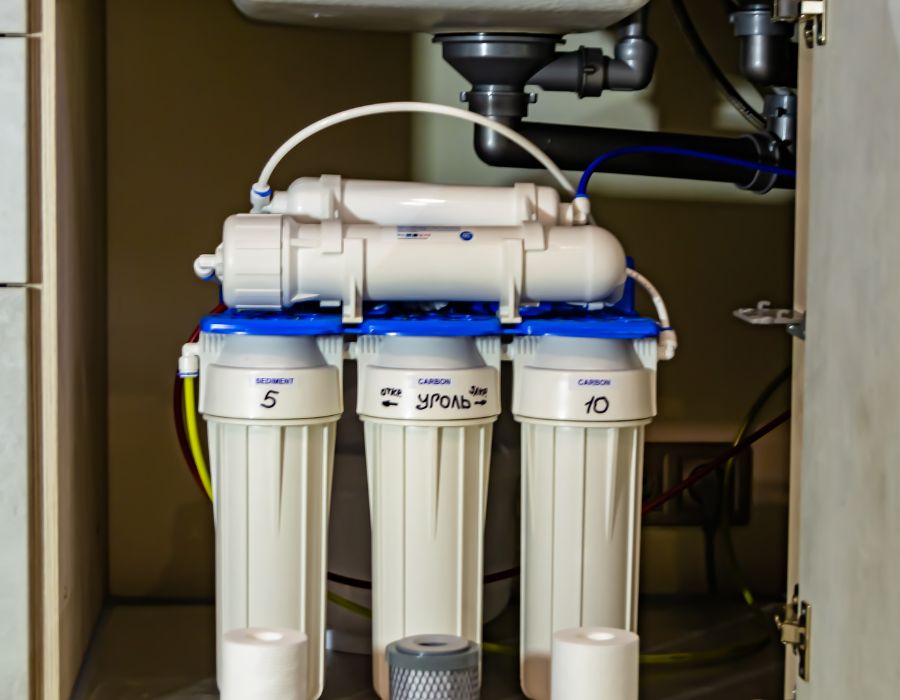
Next, consider the type of filtration technology that suits your needs. Activated carbon filters are great for removing chlorine and sediment, while reverse osmosis systems tackle a broader range of contaminants.
Think about your household size and water usage. Larger families may need systems with higher flow rates.
Don’t forget to check for certifications from reputable organizations, which guarantee the system meets environmental standards.
Finally, evaluate maintenance requirements. Some systems need more upkeep than others, so pick one that fits your lifestyle. Additionally, consider professional installation services to ensure optimal performance and longevity of your filtration system.
Regular Maintenance for Optimal Performance
Regular maintenance is essential to guarantee that your eco-friendly water filtration system operates at peak performance.
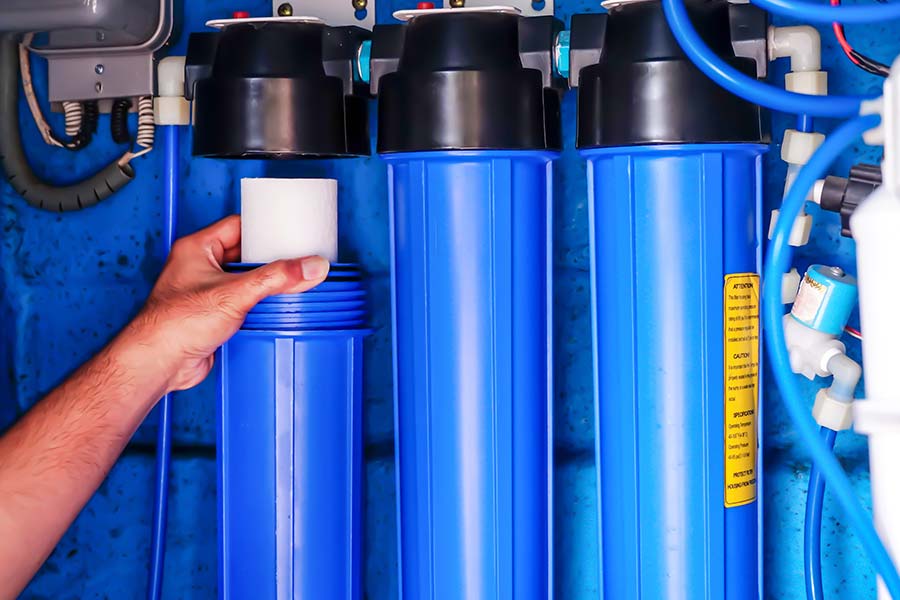
Start by checking your filters every month; dirty filters can greatly reduce water quality and flow. Depending on usage, you may need to replace them every 6 to 12 months.
Don’t forget to inspect the system for any leaks or signs of wear, as these issues can impact efficiency.
Clean the system’s components regularly to prevent buildup that might compromise its effectiveness.
Make it a habit to flush your system periodically, which helps eliminate any stagnant water and guarantees fresh, clean output.
If you notice any unusual tastes or odors, address those concerns immediately.
Lastly, consider scheduling an annual professional inspection; experts can identify potential problems and guarantee your system is running smoothly. Expert water leak detection can help ensure that you address any hidden issues before they become major problems.
Prioritizing maintenance keeps your water clean and saves you money in the long run.
Benefits of Using Carbon Filters
Carbon filters offer a straightforward yet effective way to enhance your home’s water quality. They’re designed to remove impurities and contaminants, giving you cleaner, safer drinking water. When you use a carbon filter, you’ll notice a significant reduction in chlorine, odors, and bad tastes, making your water much more enjoyable.
Another benefit is their eco-friendliness. Carbon filters are reusable and often last for several months, meaning less waste compared to single-use plastic bottles. This not only helps the environment but also saves you money in the long run.
Additionally, installing a carbon filter is usually a simple process, requiring minimal maintenance. You won’t need complicated systems or extensive plumbing work. For those considering upgrades, faucet installation services can ensure that your filtration system is properly integrated with your kitchen faucet.
Implementing Rainwater Harvesting Solutions
Implementing rainwater harvesting solutions conserves water and reduces your utility bills, making it a smart choice for any homeowner.
By installing a rainwater collection system, you can capture and store rainwater for various uses, such as irrigation and flushing toilets.
Start by setting up a rain barrel or a more extensive cistern connected to your home’s downspouts. Assure the system has proper filtration to keep the water clean and safe for your needs.
Regular maintenance is essential; check for debris and clean your filters to prevent clogs.
You’ll also want to familiarize yourself with local regulations regarding rainwater use, as some areas have specific guidelines.
By taking these steps, you’ll not only contribute to a sustainable environment but also enjoy the benefits of reduced water costs.
Embrace this eco-friendly solution, and watch your savings grow while helping the planet.
Conclusion
In wrapping up, embracing eco-friendly water filtration isn’t just about quenching your thirst; it’s about nurturing your home and the planet. By choosing the right systems and keeping them well-maintained, you’re not only ensuring clean water but also making a positive impact on the environment. Imagine sipping pure, revitalizing water while knowing you’re doing your part for a greener future. So, why not take that next step towards sustainability? Your home—and the Earth—will thank you!