
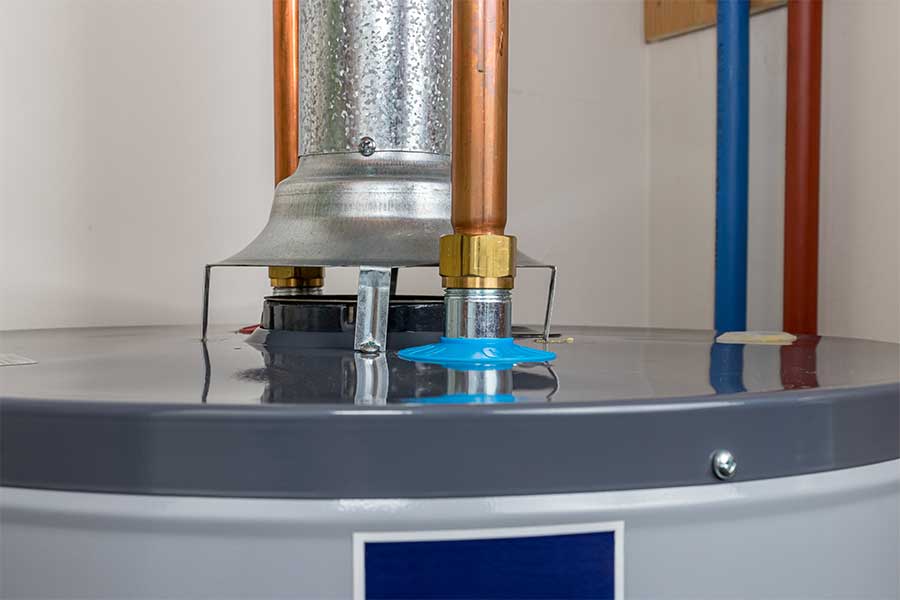
If you’re a homeowner in Richardson, TX, you might want to pay attention to your water heater. It could be time for a replacement if you notice certain signs. From age and temperature fluctuations to unusual noises, these indicators can signal underlying issues. Ignoring them might lead to bigger problems down the line. Let’s look at what these signs are and how they could impact your home.
Age of Your Water Heater
One key sign that it might be time to replace your water heater is its age. If your unit is over 10 years old, it’s crucial to start considering a replacement. In many cases, older systems benefit from professional water heater replacement or installation to restore efficiency and reliable hot water.
As water heaters age, their efficiency declines, and they mightn’t provide the reliable hot water you need. You may notice increased energy bills as older models consume more energy to heat water.
Additionally, there’s a higher risk of leaks and other issues with aging units, which can lead to costly repairs or water damage in your home.
If you’re unsure about your water heater’s age, check its serial number, usually located on the label.
If it’s nearing the end of its lifespan, don’t wait for a complete breakdown. Regular maintenance can extend the lifespan of both types, and minor repairs can prevent costly replacements.
Fluctuating Water Temperatures
- Scalding Hot to Ice Cold: One moment your shower is steaming, and the next, it’s freezing.
- Temperature Changes During Use: You may notice temperature shifts while using multiple fixtures, like the kitchen sink and shower.
- Inconsistent Heating: Water might be lukewarm when you expect it to be hot, leaving you frustrated.
- Longer Heating Times: You might find that it takes longer than usual for your water to heat up, indicating inefficiency.
If these fluctuations become a regular occurrence, it may indicate an underlying issue with your water heater. A professional inspection can determine whether the problem can be resolved with local water heater repair services or if a replacement is the more practical solution.
Don’t let inconsistent hot water disrupt your comfort—contact Dean’s Plumbing for a solution tailored to your needs.
Unusual Noises From the Unit
If you’re hearing banging or popping sounds from your water heater, it might be time to pay attention.
Hissing or sizzling noises can indicate issues that need immediate attention, while rattling or rumbling could mean your unit is nearing the end of its life.
Don’t ignore these unusual sounds—understanding them can help you make a well-considered decision about replacement. If your current unit continues to develop issues, upgrading to tankless water heaters may be a practical option, as they provide consistent hot water and eliminate many problems caused by sediment buildup in traditional tanks.
Banging or Popping Sounds
When you hear banging or popping sounds coming from your water heater, it’s often a sign that something’s not quite right.
These noises can indicate various issues, and you shouldn’t ignore them. Here are four common reasons for those unsettling sounds:
- Sediment Buildup: Mineral deposits can accumulate at the bottom of the tank, causing water to boil and create popping noises.
- Overheating: If the thermostat malfunctions, the water may overheat, leading to pressure changes and banging sounds.
- Loose Heating Element: A loose or damaged heating element can create vibrations, resulting in noise.
- Water Hammer: Sudden changes in water flow can cause pipes to rattle, producing a banging sound.
If you hear these noises, it might be time to consider a replacement.
Hissing or Sizzling Noises
Hissing or sizzling noises from your water heater can signal underlying issues that need your attention.
These sounds often indicate that water is leaking onto the heating element, causing it to overheat and produce steam. This can lead to more significant problems, including potential damage to the unit or even a risk of flooding.
If you notice these unusual noises, it’s essential to investigate promptly. Ignoring the issue might result in costly repairs or a complete breakdown of the system.
At Dean’s Plumbing, we recognize the importance of a functioning water heater.
Don’t wait for the problem to escalate. Contact us for a thorough inspection and honest solutions tailored to your needs. Your comfort and peace of mind are our priorities.
Rattling or Rumbling Issues
Rattling or rumbling noises from your water heater can be more than just an annoyance; they often signal sediment buildup or other issues that could affect its performance.
Ignoring these sounds can lead to bigger problems down the line. Here are four potential causes to take into account:
- Sediment Buildup: Minerals settle at the bottom, creating noise when heated.
- Loose Components: Parts may have become dislodged, causing rattling sounds.
- Heating Element Issues: A malfunctioning element can produce unusual noises.
- Pressure Problems: High pressure in the tank can lead to rumbling.
If you’re hearing these sounds, it’s time to reach out to a professional.
Don’t let a minor issue turn into a major headache.
Rusty or Discolored Water
If you’re noticing rusty or discolored water coming from your taps, it’s a clear sign that something’s wrong with your water heater.
This issue could stem from rust inside the tank or pipes, and it can pose health risks if not addressed promptly. Early detection can save homeowners thousands in damage costs, especially when it comes to water leak detection issues.
Let’s investigate the possible causes and the implications for your health.
Causes of Rusty Water
Seeing rusty or discolored water can be alarming, and it often indicates underlying issues with your water heater.
Here are some common causes you should be aware of:
- Corroded Anode Rod: This vital component protects your tank from rust. If it deteriorates, rust can easily form in your water.
- Tank Rusting: Over time, the interior of your water heater may start to corrode, leading to rusty water.
- Old Pipes: If your home has aging plumbing, rust can leach into your water supply from deteriorating pipes.
- Mineral Deposits: High levels of iron in your water source can cause discoloration, especially when combined with sediment buildup in the tank.
If you notice rusty water, it’s important to address the issue promptly.
Health Implications Explained
While discolored water might seem like a minor inconvenience, it can pose significant health risks if left unaddressed.
Rusty or discolored water often contains harmful bacteria, heavy metals, or sediment that can lead to serious health issues. Drinking or using this water for cooking can expose you to contaminants, potentially causing gastrointestinal problems or other illnesses.
Furthermore, discolored water can indicate corrosion in your plumbing system, which may further compromise water quality. If you notice these signs, it’s essential to consult professionals, like Dean’s Plumbing, to assess your water heater and plumbing.
Prioritizing your family’s health means taking action when you notice any water discoloration—don’t wait until it becomes a bigger issue.
Leaks Around the Water Heater
When you notice leaks around your water heater, it’s crucial to address them promptly to prevent further damage. Ignoring these leaks can lead to more serious issues, such as water damage or mold growth.
Here are some signs that indicate you should take action:
- Puddles: If you see water pooling around the base of the heater, it’s a clear sign of a leak.
- Rust or Corrosion: Check for rust on the heater or surrounding pipes; this can indicate a problem.
- Diminished Pressure: Fluctuating water pressure may suggest leaks in the system.
- Increased Humidity: A rise in humidity near your water heater can signify a hidden leak.
If you’re experiencing any of these issues, it’s time to call in the professionals.
At Dean’s Plumbing, we’re here to provide the solutions you need to make sure your home stays safe and dry.
Increased Energy Bills
Leaks around your water heater can lead to not just water damage, but also higher energy bills.
If you’ve noticed a sudden spike in your energy costs, it might be time to evaluate your water heater’s efficiency. Older units can struggle to maintain heat, causing them to work overtime and consume more energy.
You might likewise experience inconsistent hot water, which can further drive up costs as your system tries to compensate. If your heater is over ten years old, it’s likely less efficient than modern models designed to save energy.
Consider contacting Dean’s Plumbing for an assessment. Our team understands the unique needs of homeowners in Richardson, TX, and can help determine if replacement is the best option.
We’ll provide clear communication and upfront pricing without hidden fees. Don’t let those rising bills drain your wallet—take action and make certain your home runs efficiently.

Conclusion
If you’re noticing any of these signs with your water heater, it might be time to contemplate a replacement. Don’t let age, fluctuations, or leaks compromise your comfort and safety at home. Why risk further damage or higher bills when a professional assessment from Dean’s Plumbing can help? Investing in a new water heater can save you money in the long run and guarantee you have reliable hot water when you need it most.