


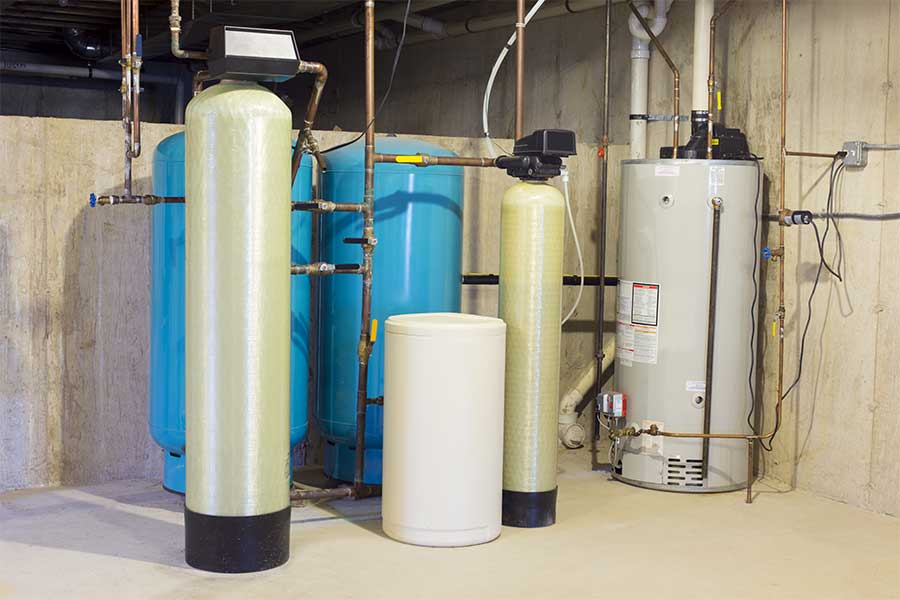
If you rely on a septic system in Dallas, TX, choosing the right water softener is essential for maintaining both water quality and system integrity. You might be surprised to learn that not all water softeners are safe for septic systems. In this discussion, we’ll explore three top options that blend efficiency and safety, ensuring you make an informed choice for your home. Let’s uncover what makes these systems stand out.
Understanding Water Softeners and Septic Systems
When you’re considering a water softener for your home, it’s essential to understand how it interacts with your septic system.
Water softeners work by replacing hard minerals like calcium and magnesium with sodium or potassium ions. This process can introduce additional sodium into your wastewater, which may affect the balance of your septic system.
Septic systems rely on a delicate ecosystem of bacteria to break down waste, and too much sodium can disrupt this process. It’s important to choose a system designed for compatibility with septic tanks, minimizing the impact on these beneficial bacteria. Additionally, consulting with a licensed team can help ensure you select the right water softener that aligns with your septic system’s needs.
You should also consider the type of regeneration process your water softener uses, as some methods might introduce more salt into the system than others.
Top Water Softeners for Septic Systems
Choosing the right water softener for your home requires careful consideration, especially if you have a septic system.
You’ll want a unit that minimizes salt usage and is designed to work efficiently with your septic setup. Consider salt-free softeners, which use a different technology to reduce hardness without adding sodium to your water. Brands like Pelican and Aquasana offer reliable options that fit well with septic systems.
If you prefer traditional salt-based systems, look for models with a low-salt setting, such as those from SoftPro or Fleck.
These can help limit the amount of salt entering your septic tank. Additionally, choose water softeners with a demand-initiated regeneration feature, which guarantees they only regenerate when necessary, further protecting your septic system. Professional installation from a licensed team can also ensure that your system operates effectively without compromising your septic setup.
Benefits of Using a Water Softener With a Septic System
Using a water softener with a septic system can greatly enhance your home’s water quality while protecting your plumbing infrastructure.
Softened water reduces mineral buildup in your pipes, leading to fewer clogs and an extended lifespan for your plumbing. This means fewer repairs and less maintenance for you, saving both time and money.
Additionally, soft water makes cleaning more efficient. You’ll notice that soap lathers better, reducing the amount you need for washing dishes and laundry. This efficiency can also lessen the load on your septic system, allowing it to function effectively.
Moreover, using a water softener can improve the overall comfort of your home. You’ll enjoy softer skin and shinier hair after showers, along with cleaner dishes and brighter laundry. Expert water leak detection can further protect your home from potential damage caused by hidden leaks in your plumbing system.
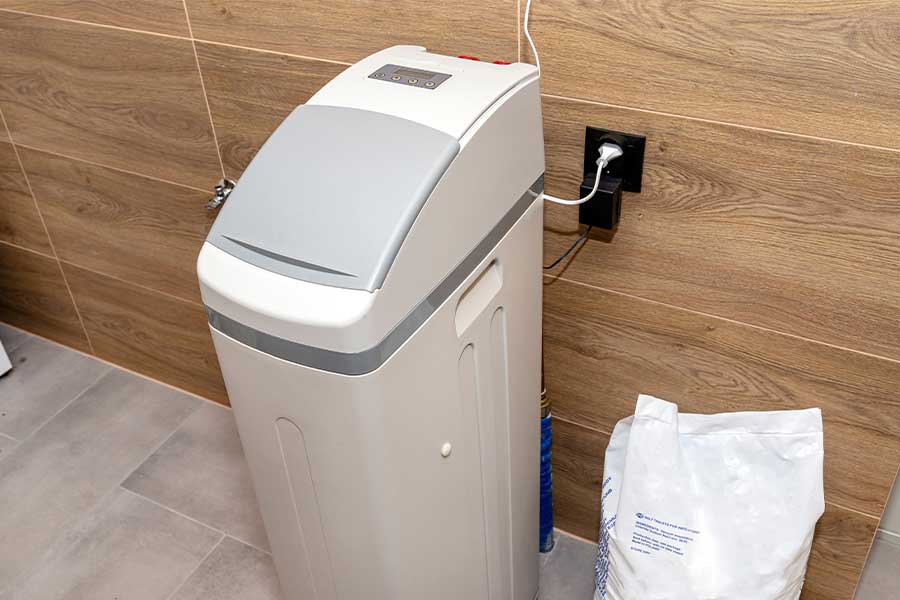
Conclusion
In the world of home comfort, choosing the right water softener is like finding the perfect partner for a dance; it needs to move in harmony with your septic system. By selecting one of the top three water softeners—Pelican, Fleck, or SoftPro—you guarantee smooth, efficient performance. This not only protects your septic system but enhances your water quality, making every drop a pleasure. So, don’t just soften your water; dance through life with the right choice!