
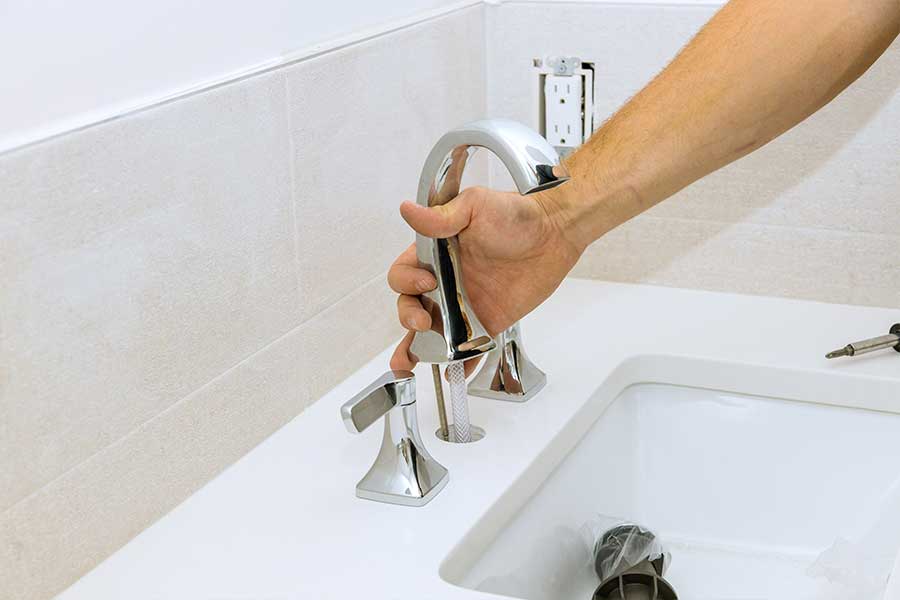
Installing a sink faucet might seem straightforward, but it can quickly turn into a frustrating task without the right guidance. Understanding the specifics of your faucet and having the right tools can make all the difference. Before you get started, there are several key steps you’ll want to keep in mind to guarantee a smooth installation. Let’s explore those tips to achieve a professional finish in your Garland, TX, home.
Understand Your Faucet Specifications
When it comes to installing a new sink faucet, understanding your faucet specifications is crucial.
You’ll need to know the type of faucet you’re working with, whether it’s a single-handle or double-handle model. Check the number of holes in your sink and confirm your chosen faucet fits that configuration.
Pay attention to the spout height and reach, as these factors affect functionality and aesthetics.
Make certain to verify the faucet’s connection size, typically measured in inches, to guarantee compatibility with your plumbing.
Also, consider the water pressure requirements; some faucets work better with specific pressure levels.
Finally, don’t forget to check the finish and style to match your kitchen or bathroom decor. Proper installation ensures reliable plumbing performance, making your new faucet a perfect addition to your home.
Gather Necessary Tools and Materials
Having a clear understanding of your faucet specifications sets you up for success, but it’s equally important to gather the right tools and materials before you start the installation.
Begin by collecting essential tools like an adjustable wrench, a basin wrench, screwdrivers, and a plumber’s tape. These will help you tackle any challenges that arise during the process.
Next, make sure you have the appropriate materials on hand, including the new faucet, mounting hardware, and any necessary washers or seals. Double-check your faucet’s installation instructions for any specific items you might need.
Don’t forget to have a bucket or towel ready to catch any water that might spill during the removal of the old faucet. Additionally, familiarize yourself with local faucet repair services in your area for expert assistance if needed.
Prepare the Sink Area
Before you start installing your new faucet, clear the workspace around the sink to give yourself enough room to work.
Gather all the necessary tools and materials, so you won’t need to interrupt the process later.
Finally, inspect the plumbing connections to verify everything’s in good shape before you begin. Additionally, ensure you are aware of the signs of hidden leaks to prevent any unexpected issues during and after the installation.
Clear the Workspace
To guarantee a smooth sink faucet installation, start by clearing the workspace around the sink area. Remove any items that may obstruct your access, like soap dispensers, sponges, or decorative pieces. This not only creates a safer environment but also makes the installation process more efficient.
Next, check for any potential hazards, such as wet surfaces or sharp objects, and address them accordingly. If you have a cluttered countertop, consider temporarily relocating those items to a nearby table or countertop. You want to make sure you have enough space to work comfortably.
Gather Necessary Tools
A well-prepared sink area makes gathering the necessary tools essential for a smooth faucet installation. Start by collecting a basin wrench, an adjustable wrench, a screwdriver, and plumber’s tape.
You’ll also need a bucket to catch any water and a clean cloth to wipe up spills. Having these tools on hand will save you time and hassle during the installation process.
Make sure you’ve got safety goggles and gloves too; they’ll keep you protected from any unexpected messes.
Lay everything out within arm’s reach, so you won’t waste time searching for what you need. With your tools ready, you can focus on installing your faucet efficiently and effectively.
Now you’re all set to tackle the next steps with confidence!
Inspect Plumbing Connections
As you prepare your sink area for faucet installation, inspecting the plumbing connections is essential to guarantee a smooth process.
Start by checking the water supply lines for any signs of wear, leaks, or corrosion. Verify that the shut-off valves are functioning properly; you don’t want any surprises during installation. If you notice any issues, it’s best to address them now. Tighten any loose connections and replace old washers if necessary.
Next, examine the drain lines for blockages or damage. Clear any debris to promote ideal water flow.
Taking these steps will help prevent complications later and guarantee your new faucet works efficiently. Remember, a little upfront inspection can save you time and hassle down the line.
Turn Off the Water Supply
Before you start installing your new sink faucet, you need to turn off the water supply.
First, locate the shut-off valves under the sink and turn them off to prevent any leaks.
Next, drain any remaining water from the pipes to guarantee a smooth installation process. Additionally, it’s important to ensure that your plumbing system is free of any main water line issues to avoid complications during installation.
Locate Shut-Off Valves
To guarantee a smooth sink faucet installation, it’s crucial to locate the shut-off valves and turn off the water supply first.
These valves are typically found under the sink, connected to the water lines. Start by checking both the hot and cold water lines, as each will have its own valve.
Once you identify them, turn the valves clockwise until they’re fully closed. This step prevents any unexpected water flow during your installation process, keeping your workspace dry and safe.
If you can’t find the shut-off valves under the sink, the main water supply valve for your home may be your next option.
Drain Remaining Water
Once you’ve turned off the shut-off valves, the next step is to drain any remaining water from the lines.
To do this, open the faucet you’re replacing. This allows any trapped water to flow out, minimizing spills during the installation.
You might also want to place a bucket or towel beneath the sink to catch any residual water. If your sink has a sprayer, remember to activate it as well to guarantee all water is released.
This step not only keeps your workspace clean but also prevents any unexpected mess when disconnecting the old faucet.
Once you’ve drained the lines completely, you’re ready to move on to the next phase of your faucet installation project.
Check for Leaks
Checking for leaks is a crucial step in guaranteeing your faucet installation is successful. After you’ve connected the faucet and turned on the water supply, take a moment to inspect all the joints and connections.
Look closely for any signs of water dripping or pooling. If you spot a leak, turn off the water supply immediately to prevent water damage. Tighten any loose fittings, and if the leak persists, you may need to replace washers or seals.
Once you’ve addressed any issues, turn the water supply back on and check again. It’s best to test the faucet for a few minutes to confirm everything is secure.
A thorough leak check gives you peace of mind and saves you from future headaches.
Remove the Old Faucet
Start by gathering your tools and preparing to remove the old faucet. You’ll need a basin wrench, an adjustable wrench, and a screwdriver.
Turn off the water supply to prevent any spills. Once that’s done, disconnect the water lines from the faucet using your adjustable wrench. Remember to have a bucket handy to catch any remaining water.
Next, remove the mounting nuts securing the faucet to the sink. Use your basin wrench for better leverage. If the nuts are stuck, a bit of penetrating oil can help loosen them.
Once you’ve removed the nuts, lift the old faucet out of the sink.
Finally, clean the area where the old faucet was installed. This guarantees a smooth surface for the new faucet.
Take your time during this process; a careful removal will make the next steps easier and more effective.
Install the New Faucet
Now that you’ve removed the old faucet, it’s time to install the new one.
Start by choosing the right faucet for your needs, guaranteeing it fits your sink and complements your kitchen decor.
Once you’ve selected the perfect model, securely attach the faucet assembly to guarantee a leak-free installation.
Choose the Right Faucet
Choosing the right faucet is essential for both functionality and style in your kitchen or bathroom.
A well-chosen faucet can enhance your space and make daily tasks easier. Here are three key factors to evaluate when selecting your new faucet:
1. Style: Think about the overall design of your kitchen or bathroom.
Do you prefer modern, traditional, or something in between? Your faucet should complement that look.
2. Functionality: Reflect on your needs.
Do you require a pull-down sprayer for cooking or a simple design for a guest bathroom?
3. Finish: Choose a finish that not only matches your decor but also withstands wear and tear.
Options like chrome, brushed nickel, or oil-rubbed bronze can add a beautiful touch while offering durability.
Securely Attach Faucet Assembly
Once you’ve selected the perfect faucet, securely attaching the faucet assembly is essential to guarantee it functions properly and lasts for years.
Start by positioning the faucet in the sink hole, ensuring it’s centered. From underneath, thread the mounting nuts onto the faucet’s shank, tightening them by hand before using a wrench for a snug fit—be careful not to overtighten, as this can damage the sink.
Next, connect the water supply lines, making sure the hot and cold lines match up correctly. Use plumber’s tape on the threads for a tight seal.
Finally, turn on the water supply and check for leaks. If all is secure, you’re ready to enjoy your newly installed faucet!
Connect Water Supply Lines
Before connecting your water supply lines, it’s important to confirm that you have all the necessary tools and materials at hand. This step guarantees a smoother installation process. Here’s what you need to gather:
- Adjustable wrench
- Plumber’s tape
- Bucket or towel
Start by turning off the water supply to avoid any surprises.
Then, locate the hot and cold water supply valves beneath the sink. Attach the flexible supply lines to the corresponding valves and tighten them securely with your adjustable wrench.
Don’t forget to wrap plumber’s tape around the threads to prevent leaks.
After you’ve connected both lines, verify they’re properly aligned and secure. This will help maintain a clean, professional look under your sink.
Once everything’s connected, you’re ready to move on to the next steps in your faucet installation process.
Check for Leaks
After connecting your water supply lines, it’s time to verify everything’s watertight. Start by turning on the water supply slowly. Watch closely for any signs of leaks around the connections. If you spot any drips or moisture, tighten the fittings gently with a wrench. Don’t overdo it; too much pressure can cause damage.
Next, check under the sink and along the water lines for leaks. It’s crucial to inspect all joints and connections thoroughly. If you find a leak that won’t stop, consider using plumber’s tape on the threads or replacing faulty washers.
Allow the faucet to run for a minute while monitoring for leaks. This helps confirm your installation is sound.
Secure and Test the Faucet
Now that you’ve checked for leaks, it’s time to secure your faucet and verify everything’s functioning properly. Follow these steps to guarantee a solid installation:
- Tighten the Mounting Nuts: Use a basin wrench to firmly tighten the mounting nuts underneath the sink. Avoid overtightening, as this can damage the faucet or sink.
- Reconnect Water Supply Lines: Attach the supply lines to the faucet, verifying they’re snug but not overly tight. Check that the rubber washers are in place for a proper seal.
- Test the Faucet: Turn on the water supply and check for any leaks around the connections. Run both hot and cold water to confirm everything’s operating smoothly.
Maintain Your Faucet for Longevity
To guarantee your faucet lasts for years to come, regular maintenance is essential. Start by checking for leaks, as even a small drip can lead to bigger issues over time. Tighten any loose fittings and replace worn-out washers to prevent further leaks.
Clean the aerator regularly to secure proper water flow; just unscrew it, rinse it under water, and reattach it.
Don’t forget to inspect the faucet’s finish. Wipe it down with a gentle cleaner to avoid scratches and tarnishing. If you notice any corrosion, consider applying a protective coating. Additionally, be mindful of the water temperature; extreme heat can damage seals and finishes.
Lastly, schedule a professional inspection every couple of years. Experts at Dean’s Plumbing can help you spot potential problems early, ensuring your faucet remains in top condition.
Keeping your faucet well-maintained not only extends its life but also enhances your home’s overall functionality.

Conclusion
With the right tools and a little know-how, you can transform your sink faucet installation from an intimidating task into a rewarding DIY project. Think of it as your own version of a home improvement reality show—where you’re the star! By following these expert tips, you’ll guarantee a professional finish that not only enhances your decor but also functions flawlessly. So roll up your sleeves, embrace the challenge, and let your faucet shine like a trophy in your kitchen!