
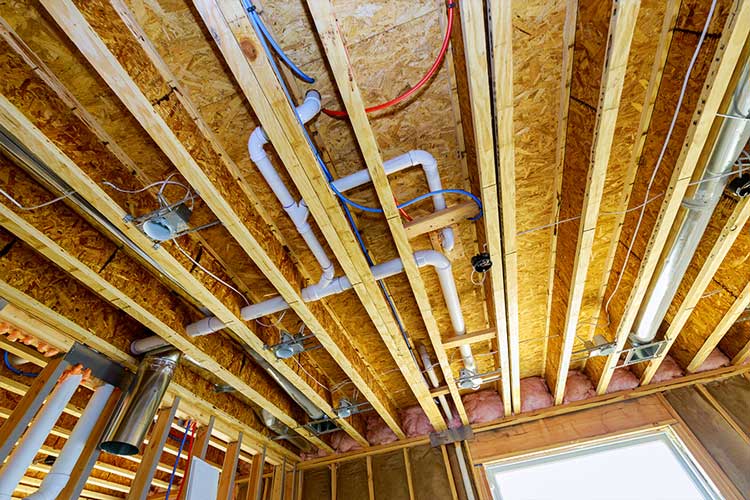
You might think that repiping your home is a straightforward task, but it’s easy to overlook critical details. Making just a few common mistakes can lead to costly repairs down the line. Understanding what these pitfalls are can save you time and money. Let’s explore the key missteps you should avoid to guarantee a successful repiping project in Rowlett, TX.
Choosing the Wrong Materials for Repiping
Choosing the right materials for repiping is essential to guaranteeing your plumbing system functions effectively and lasts for years. You might be tempted to go for the cheapest option or what seems popular, but that can lead to costly repairs down the line.
Copper, PEX, and CPVC are common materials, each with its own pros and cons. For instance, PEX is flexible and resistant to scale and chlorine, making it a popular choice for many homeowners. On the other hand, copper is durable and has antimicrobial properties, but it can be more expensive.
Consider your home’s specific needs, including water quality and climate, before making a decision. Consulting a professional, like Dean’s Plumbing, can help you navigate your options. Additionally, a licensed local team can provide high-quality PEX or copper piping that ensures lasting results for your home.
Overlooking Local Building Codes and Regulations
When you’re repiping your home, it’s vital not to overlook local building codes and regulations. Ignoring these requirements can lead to costly fines and unsafe plumbing conditions.
To guarantee a smooth repiping process, familiarize yourself with the local codes specific to Rowlett, TX.
Here are a few key points to keep in mind:
- Research Local Codes: Check with your local building department for any updates or changes.
- Hire Licensed Professionals: Licensed plumbers are trained to comply with regulations and know the ins and outs of local codes.
- Obtain Necessary Permits: Don’t skip the permitting process; it’s essential for compliance and safety.
- Inspect Completed Work: After the job, have a city inspector review the work to make sure it meets all requirements.
Additionally, make sure the plumbing work adheres to local building codes to ensure safety and compliance.
Staying informed about local regulations protects your investment and guarantees your home remains safe and compliant.
Ignoring Signs of Underlying Plumbing Issues
While it might be tempting to overlook minor plumbing issues, ignoring the signs of underlying problems can lead to bigger headaches down the line. Small leaks, unusual noises, or fluctuating water pressure aren’t just nuisances; they often signal deeper issues that require attention.
If you let these signs slide, you risk more significant damage and costly repairs.
When you notice these red flags, it’s essential to address them immediately. Waiting too long can result in extensive water damage or even mold growth, which complicates the situation further. Early detection can save homeowners thousands in damage costs, making it crucial to take action promptly.
Take the time to investigate these issues and keep your plumbing in good shape.
Skipping Professional Consultation and Assessment
Before diving into a repiping project, it’s vital to consult a professional for a thorough assessment. Skipping this important step can lead to costly mistakes and unforeseen complications.
A qualified plumber can identify underlying issues and help you plan a solution that meets your specific needs.
Here are some reasons why you shouldn’t skip that professional consultation:
- Expert Diagnosis: Professionals can spot problems that may not be obvious to you.
- Tailored Solutions: They’ll recommend options suited to your home’s unique plumbing system.
- Avoiding Costly Errors: A pro can prevent mistakes that could damage your property or lead to more repairs.
- Peace of Mind: You’ll feel more confident knowing a trained expert has assessed your situation. Moreover, they may suggest hydrostatic pressure testing to rule out hidden plumbing leaks that could affect your home’s foundation.
Failing to Plan for Future Plumbing Needs
Planning for future plumbing needs is vital, especially during a repiping project. You might focus solely on your current requirements, but neglecting to take into account future demands can lead to costly mistakes.
Think about potential changes in your household, like adding new appliances or expanding your family. These factors can greatly impact your plumbing system’s capacity.
During repiping, it’s important to choose materials and pipe sizes that accommodate future growth. If you’re uncertain, consult a professional like Dean’s Plumbing. Their expertise can help you assess your needs and recommend solutions that guarantee your plumbing can handle future demands.

Conclusion
In the journey of repiping your home, think of yourself as a skilled captain maneuvering through treacherous waters. By steering clear of poor material choices, local code pitfalls, and hidden plumbing storms, you’ll chart a course toward a safe harbor. Don’t sail alone; consult seasoned first mates, and always keep an eye on the horizon for future needs. With careful planning and guidance, you’ll transform your plumbing ship into a sturdy vessel, ready to weather any storm.